Truck Accident

5 Common Causes of Truck Accidents: Insights from a Truck Accident Lawyer

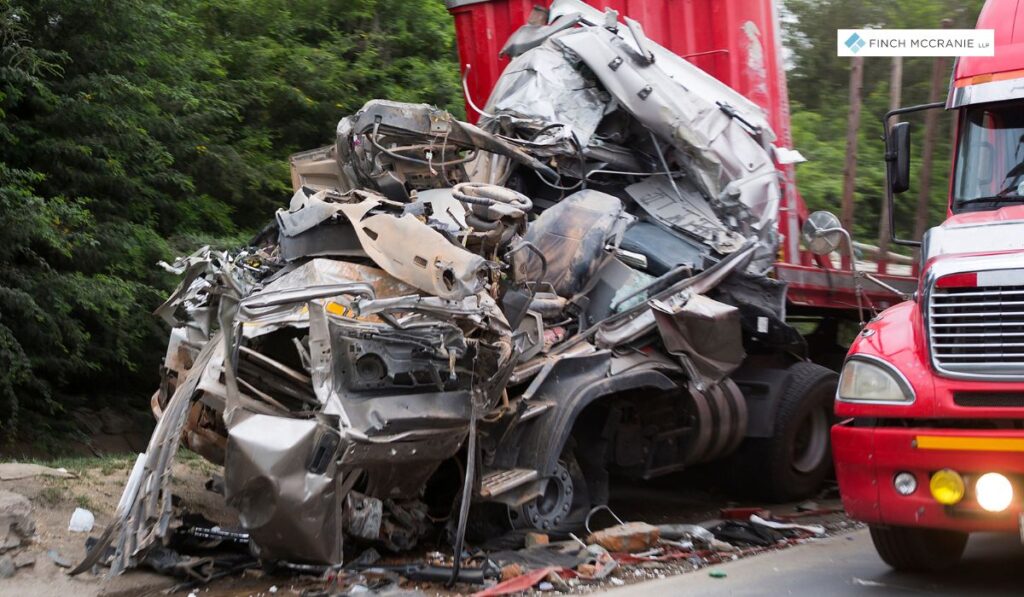
Introduction: Truck accidents can be devastating, often resulting in serious injuries, fatalities, and significant property damage. As a truck accident lawyer, I have witnessed firsthand the aftermath of these tragic incidents. Understanding the common causes of truck accidents is crucial for both truck drivers and other motorists to mitigate risks and enhance road safety. In this article, we will delve into five prevalent factors contributing to truck accidents based on insights gained from legal expertise and industry knowledge.

Driver Fatigue:

Driver fatigue poses a significant risk not only to the truck driver but also to everyone sharing the road. The demanding nature of the trucking industry, with its tight delivery schedules and long distances, often pushes drivers to their physical and mental limits. As they strive to meet deadlines, drivers may sacrifice precious hours of rest, leading to chronic sleep deprivation and exhaustion.

The consequences of fatigue on driving performance are severe. Sleep-deprived drivers experience impaired cognitive function, including reduced attention span, decreased decision-making abilities, and compromised situational awareness. These effects make it difficult for drivers to accurately assess hazards, respond to changing road conditions, and execute timely maneuvers to avoid accidents.

Distracted Driving: 

In today’s interconnected world, distractions are ubiquitous, and truck drivers are susceptible to their allure. The prevalence of smartphones, GPS devices, and other gadgets has made it easier than ever for drivers to become distracted behind the wheel. Tasks such as texting, talking on the phone, or adjusting navigation systems may seem innocuous, but they can have serious consequences when performed while driving. Additionally, mundane activities like eating or drinking can also divert a driver’s attention from the road, further increasing the risk of accidents.

The ramifications of distracted driving are particularly pronounced for truck drivers due to the sheer size and weight of commercial vehicles they operate. A momentary lapse in attention can result in devastating outcomes, as these large trucks require longer stopping distances and have limited maneuverability compared to smaller vehicles. Even a slight deviation from focusing on the road ahead can lead to catastrophic accidents, causing injury, loss of life, and significant property damage.

Improper Loading and Cargo Securement: 

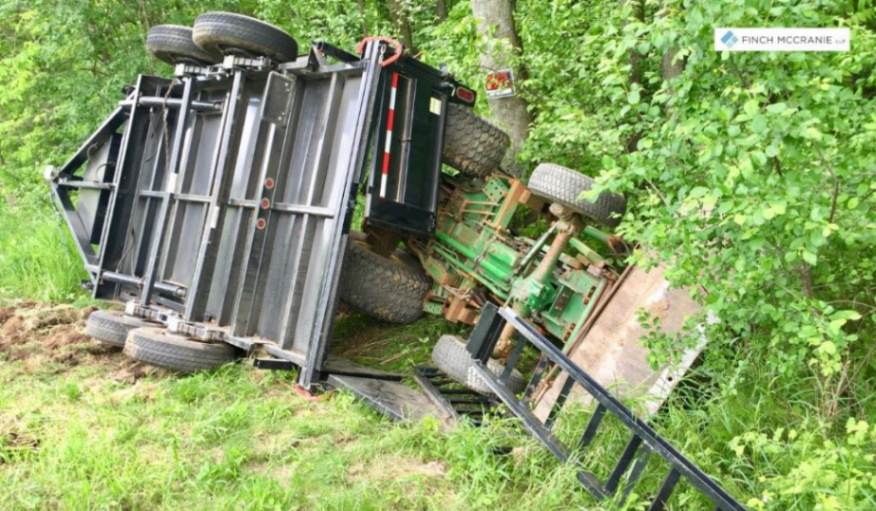
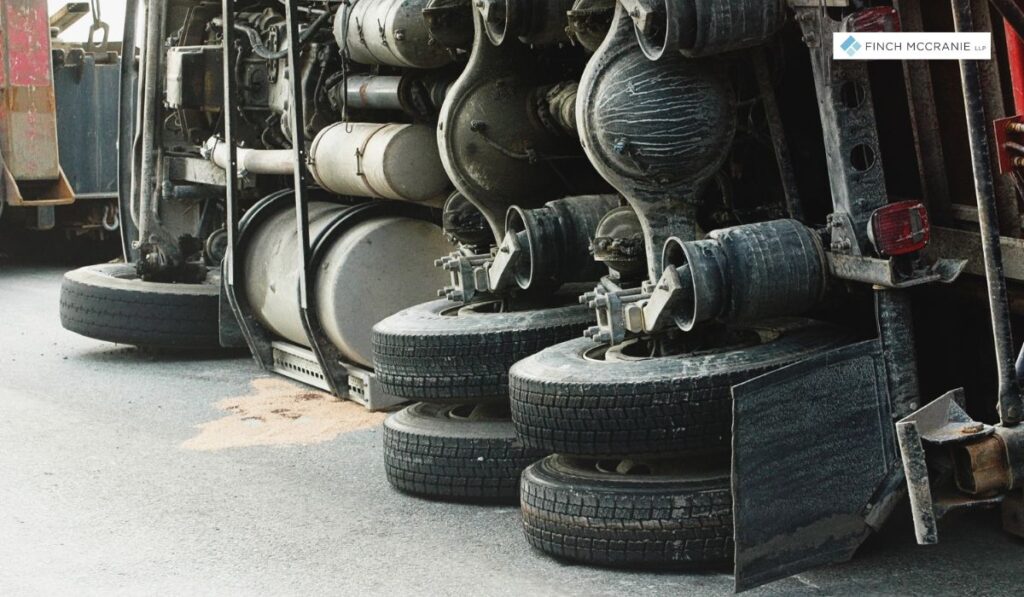
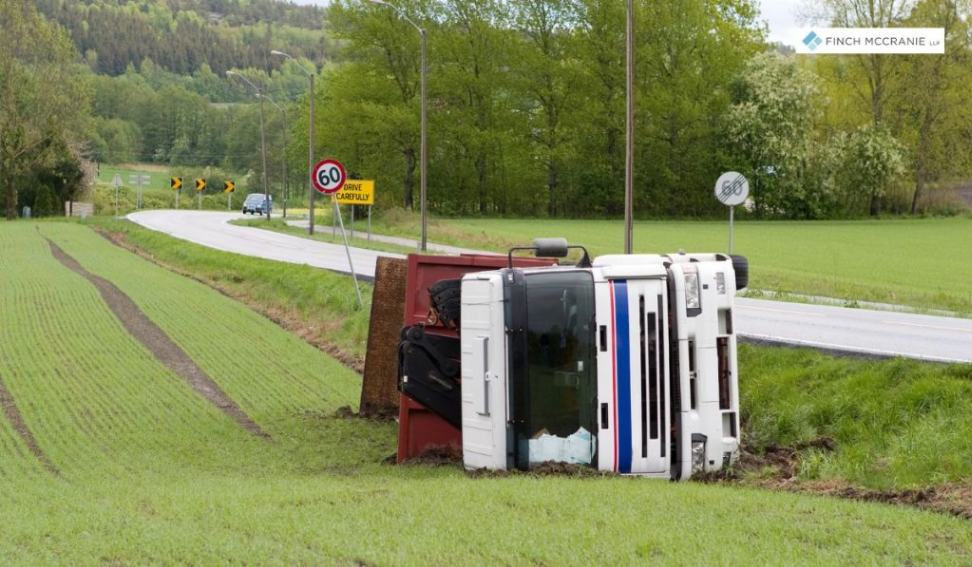
Proper loading and securement of cargo are critical aspects of ensuring the safe operation of commercial trucks. When cargo is not loaded correctly or adequately secured, it can have serious consequences on the stability and balance of the vehicle during transit. Improperly loaded or unsecured cargo is prone to shifting while the truck is in motion, which can lead to loss of control, rollovers, or spillage onto the roadway, posing a danger to other motorists.

Moreover, overloaded trucks present significant risks on the road. Exceeding weight limits places undue strain on a truck’s braking system and tires, increasing the likelihood of mechanical failures such as brake failure or tire blowouts. These malfunctions can have catastrophic consequences, especially when traveling at high speeds or navigating steep terrain.

Mechanical Failures

Mechanical Failures

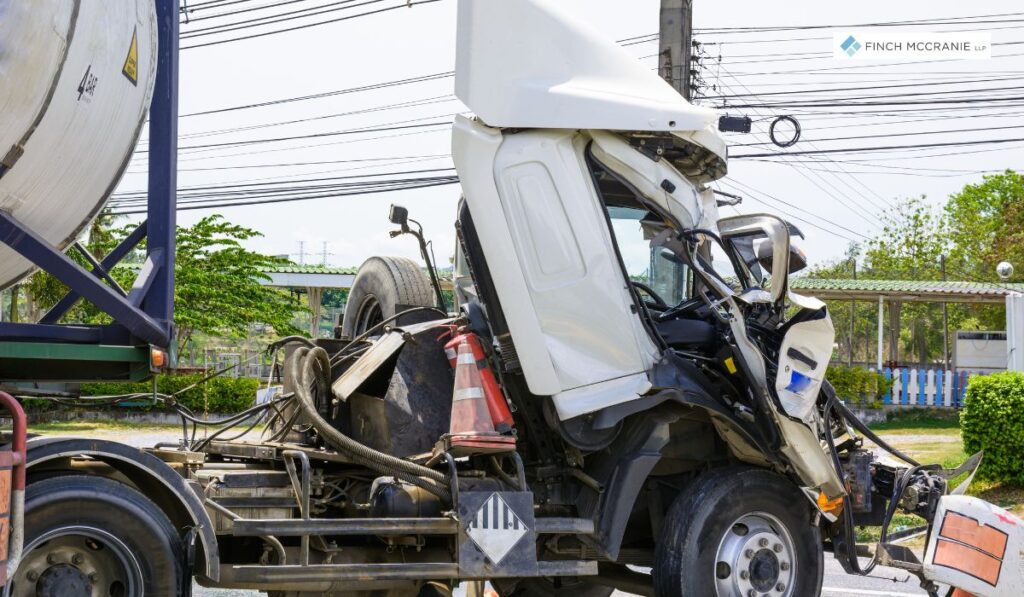
Trucks endure considerable wear and tear as they log extensive hours on the road, rendering mechanical failures a notable risk factor for accidents. Brake failures, tire blowouts, steering malfunctions, and engine issues are among the mechanical issues that can jeopardize a truck’s safety. Regular maintenance and thorough inspections are imperative for detecting and rectifying potential mechanical issues before they escalate into hazardous situations. Trucking companies must emphasize adherence to routine maintenance schedules and promptly address any reported problems to uphold the roadworthiness of their vehicles.

Routine maintenance serves as a proactive measure to identify and rectify potential mechanical issues before they manifest into safety hazards on the road. By conducting regular inspections and adhering to manufacturer-recommended maintenance schedules, trucking companies can preemptively address issues such as worn brake pads, deteriorating tires, or faulty steering components. Additionally, implementing a preventive maintenance program allows companies to identify emerging mechanical issues and address them before they lead to breakdowns or accidents.

Furthermore, prompt attention to reported problems is essential for maintaining the safety and reliability of commercial trucks. Drivers should be encouraged to report any unusual noises, vibrations, or handling characteristics to fleet managers or maintenance personnel promptly. Upon receiving reports of potential mechanical issues, trucking companies should prioritize investigating and addressing the concerns to prevent the escalation of problems and mitigate risks on the road.

Poor Weather Conditions

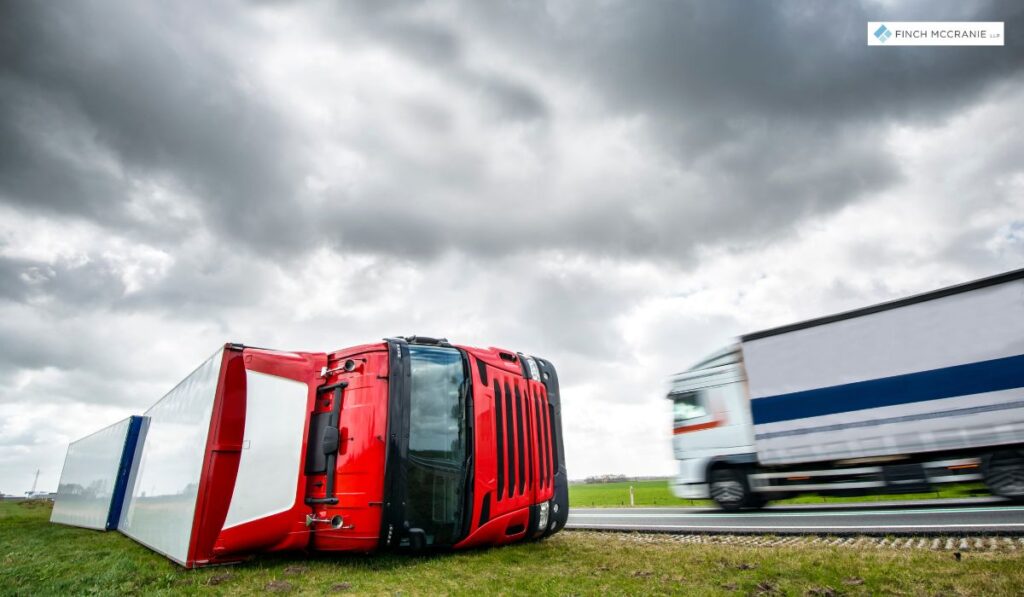
Poor weather conditions present formidable challenges for truck drivers, requiring heightened vigilance and adaptability behind the wheel. Inclement weather, ranging from heavy rain and snow to ice and fog, can significantly impair visibility and traction, amplifying the risk of accidents. In such conditions, truck drivers must exercise caution and modify their driving behavior accordingly to navigate safely through adverse weather.

Reduced visibility during heavy rain, snowfall, or fog necessitates adjustments in driving speed and following distance to allow for adequate reaction time. Slower speeds enable drivers to maintain better control of their vehicles and respond promptly to unexpected obstacles or hazards obscured by poor visibility. Additionally, increasing the distance between vehicles reduces the risk of rear-end collisions and provides sufficient stopping distance, mitigating the impact of sudden braking maneuvers on slippery roads.

Slippery road surfaces, particularly during snow and ice conditions, demand a delicate balance of throttle control, steering input, and braking to maintain traction and stability. Truck drivers should employ gentle braking and acceleration techniques to avoid skidding or loss of control on slick surfaces. Utilizing appropriate safety equipment such as tire chains or traction aids enhances grip and traction, improving vehicle control in adverse weather conditions.

Conclusion

In conclusion, navigating through poor weather conditions requires truck drivers to exercise caution, adaptability, and proactive safety measures. By adjusting driving behavior, utilizing appropriate safety equipment, and maintaining open communication, drivers can mitigate the risks associated with adverse weather and ensure the safety of themselves and others on the road. For legal assistance and guidance in the event of a truck accident, please contact us at Finch McCranie.

FAQs

What are the main factors contributing to truck accidents?

Truck accidents can result from various factors, but some common causes include driver fatigue, distracted driving, improper loading and cargo securement, mechanical failures, and poor weather conditions.

How does driver fatigue contribute to truck accidents?

Driver fatigue is a significant risk factor as long hours on the road, tight delivery schedules, and insufficient rest can lead to chronic sleep deprivation and exhaustion. Sleep-deprived drivers experience impaired cognitive function, making it difficult to assess hazards and respond to changing road conditions, increasing the likelihood of accidents.

What is distracted driving, and how does it affect truck accidents?

Distracted driving occurs when drivers divert their attention from the road due to activities like texting, talking on the phone, adjusting navigation systems, or even eating or drinking. For truck drivers, distractions can have severe consequences due to the size and weight of their vehicles, leading to catastrophic accidents with injury, loss of life, and significant property damage.

Why is improper loading and cargo securement a concern for truck safety?

Proper loading and securement of cargo are essential for maintaining the stability and balance of commercial trucks. When cargo is not loaded correctly or adequately secured, it can shift during transit, leading to loss of control, rollovers, or spillage onto the roadway, posing a danger to other motorists. Overloaded trucks also increase the risk of mechanical failures such as brake failure or tire blowouts.

How do mechanical failures contribute to truck accidents, and how can they be prevented?

Trucks are prone to mechanical failures due to extensive wear and tear from long hours on the road. Brake failures, tire blowouts, steering malfunctions, and engine issues can jeopardize safety. Regular maintenance, thorough inspections, and prompt attention to reported problems are crucial for preventing mechanical failures and ensuring the safety and reliability of commercial trucks.

What role do poor weather conditions play in truck accidents, and how can drivers mitigate risks?

Poor weather conditions such as heavy rain, snow, ice, or fog impair visibility and traction, increasing the risk of accidents. Truck drivers must exercise caution, adjust driving behavior, and utilize appropriate safety equipment such as tire chains or traction aids to navigate safely through adverse weather conditions. Decreasing speed, increasing following distance, and employing gentle braking and acceleration techniques are essential for maintaining control and reducing the likelihood of accidents in challenging weather.

How do trucking companies contribute to preventing accidents related to mechanical failures?

Trucking companies play a crucial role in accident prevention by emphasizing routine maintenance and adherence to manufacturer-recommended schedules. Implementing preventive maintenance programs allows companies to identify emerging mechanical issues before they lead to breakdowns or accidents. Prompt attention to reported problems from drivers is also essential, as it enables companies to investigate and address concerns promptly, maintaining the safety and reliability of their fleet.

What precautions should truck drivers take when encountering poor weather conditions?

When facing poor weather conditions, truck drivers should prioritize safety by adjusting their driving behavior accordingly. This includes reducing speed to maintain control, increasing following distance to allow for adequate reaction time, and utilizing appropriate safety equipment such as tire chains or traction aids to enhance grip and traction on slippery roads. Additionally, staying informed about weather forecasts and road conditions can help drivers plan routes and anticipate potential hazards.
How Inexperienced Driving Can Lead to Truck Accidents 

Driving is a complex skill that demands attention, experience, and a deep understanding of road safety principles. 

When it comes to handling large vehicles like trucks, the stakes are even higher. 

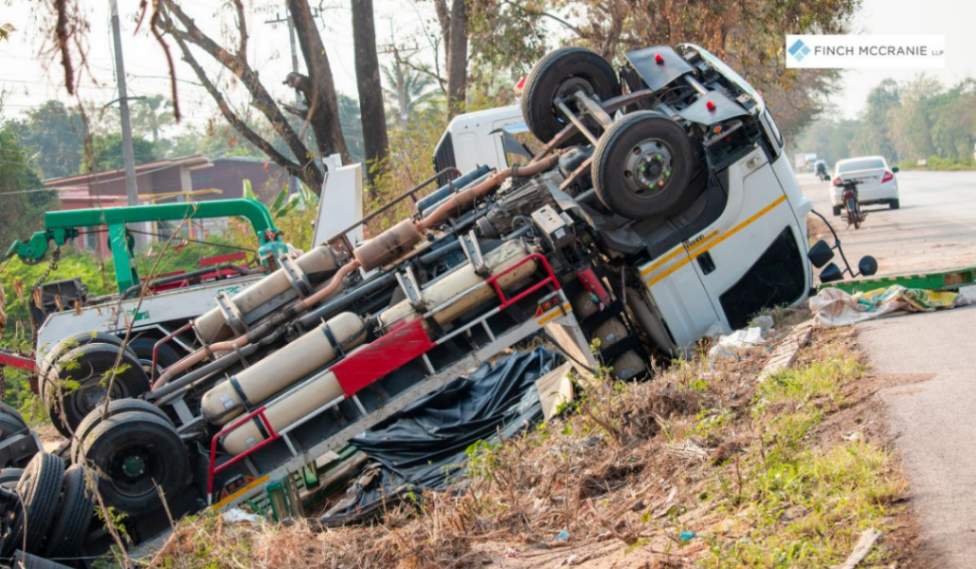
Inexperienced driving, characterized by a lack of practice, knowledge, or training, poses significant risks on the road. 

This article delves into the intricate relationship between inexperienced driving and truck accidents, shedding light on the various factors contributing to this

alarming phenomenon.

Common Causes of Truck Accidents

Truck accidents can result from a myriad of factors, ranging from mechanical failures to adverse weather conditions. 

However, a predominant cause often overlooked is human error, particularly that stemming from inexperienced drivers. 

Whether it’s misjudging distances, failing to check blind spots, or making abrupt lane changes, driver error plays a pivotal role in many truck accidents.

Understanding Inexperienced Driving

Inexperienced driving encompasses a spectrum of challenges faced by drivers who lack the requisite skills and knowledge to operate vehicles safely. 

In the context of trucking, this could translate to inadequate training, limited familiarity with road regulations, and poor decision-making abilities under pressure.

Distractions and Inattention

One of the primary pitfalls of inexperienced driving is susceptibility to distractions. 

From mobile phones to in-cabin entertainment systems, modern drivers face a plethora of distractions that can divert their attention from the road. 

For inexperienced truck drivers, the consequences of such distractions can be catastrophic, leading to accidents with severe repercussions.

Poor Decision Making

Inexperienced drivers often find themselves in situations requiring split-second decisions. 

However, without the benefit of experience to draw upon, these decisions may be flawed or ill-informed. 

Whether it’s misjudging the speed of oncoming traffic or underestimating the braking distance required, poor decision-making is a significant contributor to truck accidents involving inexperienced drivers.


Lack of Knowledge of Trucking Regulations

Trucking regulations are designed to ensure the safety of both drivers and other road users. 

However, inexperienced drivers may find themselves unaware of these regulations or unsure how to adhere to them in practice. 

From hours-of-service requirements to weight restrictions, a lack of familiarity with trucking regulations can lead to violations and, ultimately, accidents.

Lack of Familiarity with Vehicle Handling

Operating a large commercial truck requires a level of skill and expertise beyond that of driving a standard passenger vehicle. 

Inexperienced drivers may struggle with the nuances of truck handling, such as navigating tight turns, managing heavy loads, and controlling the vehicle’s momentum on inclines. 

Without proper training and practice, these challenges can prove insurmountable and increase the risk of accidents.

Fatigue and Overconfidence

Fatigue is a prevalent issue in the trucking industry, affecting drivers of all experience levels. 

However, inexperienced drivers may be particularly susceptible to fatigue-related accidents due to their limited ability to recognize and mitigate the warning signs.

 Additionally, overconfidence can exacerbate this problem, leading drivers to push themselves beyond their limits and compromising their safety on the road.

Training and Education Programs

Recognizing the importance of addressing inexperienced driving, many organizations offer training and education programs tailored specifically to truck drivers. 

These programs cover a wide range of topics, including vehicle operation, defensive driving techniques, and compliance with industry regulations. 

By equipping drivers with the necessary knowledge and skills, these programs aim to reduce the incidence of accidents caused by inexperienced driving.

Technological Solutions

Advancements in technology have the potential to revolutionize trucking safety by supplementing drivers’ skills and mitigating the risks associated with inexperienced driving.

From collision avoidance systems to telematics devices, these technologies provide real-time feedback and alerts to help drivers navigate hazardous situations more effectively. 

By leveraging these tools, fleet operators can enhance their safety protocols and minimize the likelihood of accidents.

Legal Implications

Truck accidents can have far-reaching legal implications for all parties involved, from drivers and fleet operators to insurance companies and regulatory authorities. 

In cases where inexperienced driving is determined to be a contributing factor, liability may be assigned accordingly, leading to civil penalties, criminal charges, and reputational damage. 

Understanding the legal ramifications of truck accidents underscores the importance of prioritizing safety and compliance in the trucking industry.

Industry Initiatives for Safer Driving

Recognizing the urgency of addressing the issue of inexperienced driving, the trucking industry has undertaken various initiatives aimed at promoting safer driving practices. 

Collaborative efforts between industry stakeholders, including government agencies, advocacy groups, and fleet operators, have led to the development of comprehensive safety programs and campaigns. 

These initiatives emphasize the importance of driver training, adherence to regulations, and the implementation of advanced safety technologies to mitigate the risks associated with inexperienced driving.

Importance of Continuous Improvement

In the dynamic landscape of the trucking industry, fostering a culture of continuous improvement is essential for enhancing safety standards and reducing the incidence of accidents. 

This entails not only investing in ongoing training and development for drivers but also embracing innovations in vehicle technology and safety management systems. 

By staying abreast of emerging trends and best practices, trucking companies can adapt to evolving challenges and maintain their commitment to safe and responsible driving.

Conclusion

In conclusion, the correlation between inexperienced driving and truck accidents underscores the critical need for proactive measures to address this pressing issue. 

By understanding the unique challenges faced by inexperienced drivers and implementing targeted interventions, stakeholders across the trucking industry can work together to enhance road safety and prevent avoidable accidents. 

From comprehensive training programs to technological advancements and industry-wide initiatives, there are numerous avenues through which the impact of inexperienced driving can be mitigated. 

Ultimately, by prioritizing safety and investing in the development of drivers, we can create a safer and more sustainable future for the trucking industry.

Contact us today to access top-notch legal support for your case. At Finch McCranie LLP, our skilled team is ready to assist you in navigating your legal matters effectively.

FAQs

What is inexperienced driving, and how does it contribute to truck accidents?

Inexperienced driving refers to operating a vehicle without sufficient practice, knowledge, or training. It contributes to truck accidents by increasing the likelihood of driver errors such as misjudging distances, making poor decisions, and lacking familiarity with road regulations.

What are some common examples of inexperienced driving behaviors in truck drivers?

Common examples include failing to check blind spots, misjudging the speed of oncoming traffic, making abrupt lane changes, and improperly securing cargo. These behaviors can significantly increase the risk of accidents on the road.

How do distractions affect inexperienced truck drivers, and what are some common distractions they face?

Distractions can divert an inexperienced driver’s attention from the road, leading to accidents. Common distractions include using mobile phones, adjusting in-cabin entertainment systems, eating or drinking, and engaging in conversations with passengers.

What role does fatigue play in inexperienced driving, and how does it impact truck accidents?

Fatigue impairs cognitive function and reaction time, making it particularly dangerous for inexperienced drivers who may struggle to recognize the warning signs of fatigue. Fatigued drivers are more likely to make errors in judgment and lose control of their vehicles, increasing the risk of accidents.

What are the legal consequences for truck drivers and companies involved in accidents caused by inexperienced driving?

Depending on the severity of the accident and the extent of negligence involved, legal consequences can range from civil penalties and fines to criminal charges and lawsuits. Drivers and companies may also face reputational damage and increased insurance premiums.

How can technology help mitigate the risks associated with inexperienced driving in the trucking industry?

Technology such as collision avoidance systems, telematics devices, and driver monitoring software can provide real-time feedback and alerts to help inexperienced drivers navigate hazardous situations more effectively. These tools can enhance safety protocols and reduce the likelihood of accidents.

What training and education programs are available for inexperienced truck drivers?

Various organizations offer training programs tailored specifically to truck drivers, covering topics such as vehicle operation, defensive driving techniques, and compliance with industry regulations. These programs aim to equip drivers with the necessary knowledge and skills to safely operate commercial vehicles.

What are some industry initiatives aimed at promoting safer driving practices among truck drivers?

Industry initiatives include collaborative efforts between government agencies, advocacy groups, and fleet operators to develop comprehensive safety programs and campaigns. These initiatives emphasize the importance of driver training, adherence to regulations, and the implementation of advanced safety technologies.

How can trucking companies foster a culture of continuous improvement to address the issue of inexperienced driving?

By investing in ongoing training and development for drivers, embracing innovations in vehicle technology, and staying abreast of emerging trends and best practices, trucking companies can adapt to evolving challenges and maintain their commitment to safe and responsible driving.

What are some key takeaways for stakeholders looking to mitigate the impact of inexperienced driving on truck accidents?

Stakeholders should prioritize safety, invest in driver training and education, leverage technology to enhance safety protocols, and collaborate with industry partners to promote a culture of continuous improvement. By addressing the root causes of inexperienced driving, we can create a safer and more sustainable future for the trucking industry.

10 Types Tractor-Trailer Accident Damages You Should Claim in 2024

Tractor-trailer accidents are unfortunately common, and understanding the various damages you can claim is crucial for ensuring you receive fair compensation.

In 2024, the landscape of accident claims has evolved, making it essential to be well-informed about the types of damages you should consider.

This article delves into the intricacies of claiming damages after a tractor-trailer accident, providing a comprehensive guide to help you navigate the process effectively.

In recent years, tractor-trailer accidents have become

more prevalent, raising concerns about the safety and well-being of those involved.

As we navigate through 2024, it’s imperative to grasp the nuances of claiming damages to alleviate the physical, emotional, and financial burdens these accidents bring.

This article aims to shed light on the ten types of tractor-trailer accident damages you should be aware of and, more importantly, claim.

Medical Expenses

Hospital Bills

Navigating through the aftermath of a tractor-trailer accident often begins in the hospital.

I would like to tell you that understanding the intricate details of your hospital bills is paramount.

From emergency room charges to surgical procedures, each component plays a crucial role in the eventual claim process.

This section provides a detailed breakdown of hospital expenses, emphasizing the importance of meticulous documentation for successful claims.

Rehabilitation Costs

The journey to recovery extends beyond the hospital stay. Rehabilitation costs, including physical therapy and ongoing treatments, are integral components of post-accident medical expenses.

Delving into the specifics of rehabilitation expenses and their significance in the claims process, this section guides you through the necessary steps to secure compensation for continued medical care.

Property Damage

Vehicle Repair

The immediate aftermath of a tractor-trailer accident involves assessing and addressing damages to your vehicle.

From dents and scratches to significant structural issues, understanding the scope of vehicle damage is crucial for a successful claim.

This section outlines the steps to evaluate damages, emphasizing the need for obtaining repair estimates to support your claim effectively.

Personal Property

Beyond the vehicle itself, tractor-trailer accidents may cause damage to personal belongings inside the vehicle.

Navigating the process of claiming for these personal items requires a nuanced approach.

This section discusses the types of personal property damages you can claim and the procedures involved in seeking compensation for your losses.

Lost Wages

Current Lost Income

The period of recovery after a tractor-trailer accident often results in the loss of income.

Calculating and documenting these current lost wages is essential for securing compensation.

This section provides insights into the process of determining lost income during recovery and highlights the importance of thorough documentation to support your claim effectively.

Future Earning Capacity

While current lost income is a tangible aspect, the long-term impact on your earning capacity should not be overlooked.

This section explores the potential ramifications on future earnings and outlines the steps to claim compensation for the sustained loss of earning capacity.

Pain and Suffering

Physical Pain

The physical toll of a tractor-trailer accident is not only evident in medical reports but also in the day-to-day experiences of pain and discomfort.

Documenting and claiming damages for physical pain requires a strategic approach.

This section provides guidance on detailing the physical suffering after an accident and strategies for ensuring these damages are acknowledged in your claim.

Emotional Distress

Beyond physical pain, tractor-trailer accidents can lead to profound emotional distress.

Establishing a connection between the accident and the subsequent emotional impact is crucial for a successful claim.

This section delves into the psychological aspects of post-accident trauma and the steps to claim damages for emotional distress.

Disability and Disfigurement

Temporary Disability

Accidents may result in temporary disabilities, impacting your ability to work and perform daily tasks.

Understanding the nuances of claiming damages for temporary disabilities is essential.

This section outlines the characteristics of temporary disabilities and the steps to ensure proper medical documentation for a successful claim.

Permanent Disfigurement

In some cases, tractor-trailer accidents lead to permanent disfigurement, altering one’s appearance permanently.

Claiming damages for permanent disfigurement involves navigating complex processes.

This section discusses the long-term impact on appearance and the procedures for claiming damages for permanent disfigurement.

Wrongful Death

Loss of Consortium

Tragically, some tractor-trailer accidents result in the loss of life. For surviving family members, claiming damages involves considerations such as loss of consortium.

This section defines and explores the intricacies of claiming damages for the loss of companionship, shedding light on the emotional toll on surviving family members.

Funeral Expenses

Practical considerations such as funeral expenses are crucial elements of a wrongful death claim.

Understanding the costs associated with funerals and the process of claiming these expenses is essential.

This section provides a comprehensive guide to navigating funeral expenses in the context of a wrongful death claim.

Legal Fees

Attorney Fees

Engaging legal representation is often a necessary step in tractor-trailer accident claims.

Understanding the associated legal fees and their impact on your overall compensation is crucial.

This section delves into the role of attorneys, the costs involved, and strategies to maximize compensation while minimizing legal expenses.

Court Fees

In certain situations, the claims process may involve court proceedings, leading to additional fees.

Being prepared for potential court fees is essential for a comprehensive approach to your tractor-trailer accident claim.

This section outlines the types of court fees you may encounter and the importance of financial preparedness.

Punitive Damages

Definition

Punitive damages are designed to punish the at-fault party for particularly egregious conduct.

Understanding the definition and circumstances surrounding punitive damages is crucial for a nuanced approach to your claim.

This section clarifies the concept and instances where punitive damages might be applicable.

Claiming Punitive Damages

While punitive damages can be awarded, claiming them involves a specific set of criteria.

This section guides you through the process of claiming and proving punitive damages, emphasizing the factors that influence the awards of punitive damages.

Loss of Enjoyment of Life

Understanding the Concept

Beyond tangible damages, the loss of enjoyment of life is a valid claim in the aftermath of a tractor-trailer accident.

Defining this concept and establishing a connection between the accident and diminished quality of life is crucial.

This section provides insights into understanding the loss of enjoyment of life and its relevance to your claim.

Documenting and Claiming

Successfully claiming damages for the loss of enjoyment of life requires meticulous documentation and presentation.

This section offers strategies for effectively documenting and presenting a loss of enjoyment of life claim, highlighting the role of evidence in supporting this type of damage claim.

Future Medical Expenses

Anticipated Treatments

Even after initial medical treatment, tractor-trailer accident victims may require ongoing care or future surgeries.

Anticipating these future medical needs is crucial for accurately assessing damages.

tractor-trailer accident

This section explores the types of anticipated treatments and the process for claiming future medical expenses to ensure comprehensive compensation.

Rehabilitation and Therapy

In many cases, recovery from tractor-trailer accident injuries involves long-term rehabilitation and therapy.

Understanding the necessity of these ongoing treatments and their associated costs is essential for a thorough claim.

This section delves into the importance of rehabilitation and therapy in the recovery process and strategies for claiming related expenses.

Conclusion

In conclusion, for expert guidance and assistance in navigating tractor-trailer accident claims or any legal inquiries, reach out to Finch McCranie LLP.

Visit their contact page here to connect with experienced professionals who can help you understand and pursue the compensation you deserve.

Don’t hesitate—take the first step towards securing your rights today.

FAQs

How do I assess and claim damages for vehicle repair after a tractor-trailer accident?

Evaluate damages to your vehicle, from dents to structural issues, and obtain repair estimates to support your claim effectively. Additionally, consider personal property damages inside the vehicle and follow specific procedures for claiming these items.

How can I document and claim lost wages after a tractor-trailer accident?

Document current lost income during the recovery period and emphasize thorough documentation to support your claim effectively. Consider the long-term impact on your earning capacity and follow the outlined steps to claim compensation for sustained loss.

How can I claim damages for pain and suffering after a tractor-trailer accident?

Document physical pain experiences strategically and establish a connection between the accident and emotional distress. Follow the provided guidance for claiming damages related to both physical and emotional suffering.

What steps should I take to claim damages due to temporary disabilities after an accident?

Understand the characteristics of temporary disabilities, impact on work, and daily tasks. Proper medical documentation is essential for a successful claim.

How do I navigate a wrongful death claim, including loss of consortium and funeral expenses?

For loss of consortium, understand the emotional toll on surviving family members. For funeral expenses, follow the comprehensive guide provided to navigate the process effectively.

What are the associated legal fees in a tractor-trailer accident claim, and how can I minimize them?

Engaging legal representation may involve attorney fees. This section delves into the role of attorneys, the costs involved, and strategies to maximize compensation while minimizing legal expenses.

What are punitive damages, and how can I claim them?

Punitive damages are designed to punish at-fault parties for egregious conduct. Understand the definition and circumstances surrounding punitive damages and follow the outlined process for claiming and proving them.

Can I claim damages for the loss of enjoyment of life after a tractor-trailer accident?

Yes, the loss of enjoyment of life is a valid claim. This section provides insights into understanding the concept and offers strategies for effectively documenting and presenting this type of damage claim. For more information on legal steps after a tractor-trailer accident, read our blog.

How can I anticipate and claim future medical expenses after a tractor-trailer accident?

Anticipate future medical needs, including rehabilitation and therapy costs. Thoroughly assess and document these anticipated treatments to ensure comprehensive compensation in your claim.

What To Do After A Tractor Trailer Accident? – Legal Steps To Take

Accidents involving tractor-trailers can be devastating, often resulting in severe injuries and significant damage.

In the aftermath of such incidents, it’s crucial to stay calm and take the appropriate steps to protect yourself legally.

This article outlines the essential legal steps to take after a tractor-trailer accident to ensure that you safeguard your rights and navigate the aftermath effectively.

Importance of Knowing Legal Steps

In the aftermath of a tractor-trailer accident, understanding the crucial legal steps to take is paramount for

ensuring one’s rights and a fair resolution.

Whether you’re the victim or the party at fault, navigating the complexities of the legal process is essential for a just outcome.

Overview of Tractor Trailer Accidents

Tractor-trailer accidents pose unique challenges due to the sheer size and weight of these commercial vehicles.

The aftermath demands a systematic approach to safeguard the individuals involved and establish the facts for legal proceedings.

Immediate Actions

Ensuring Safety

Moving to a Safe Location

The first priority after a tractor-trailer accident is safety.

Move to a secure area away from traffic to prevent further injuries or damage.

Checking for Injuries

Assess the well-being of all parties involved, including yourself.

Promptly seek medical attention for any injuries.

Contacting Emergency Services

Dialing 911

Call emergency services immediately to report the accident and request medical assistance and police intervention.

Providing Relevant Information

When speaking with emergency services, provide accurate details about the location, injuries, and the number of vehicles involved.

Gathering Information

Collecting Driver Details

Driver’s License and Registration

Exchange information with the other driver, including names, addresses, driver’s license numbers, and vehicle registration details.

Insurance Information

Obtain insurance details from all parties involved.

Document the insurance company’s name and policy number.

Documenting Accident Scene

Taking Photographs

Use your smartphone or camera to capture the accident scene comprehensively.

Include vehicle positions, damages, and any relevant road signs or signals.

Noting Weather Conditions

Record the current weather conditions, as this information can be crucial in determining liability.

Witness Statements

Importance of Eyewitnesses

Eyewitness statements can provide invaluable insights into the events leading up to the accident.

Collecting this information early enhances the credibility of your case.

Interviewing Witnesses

Gathering Contact Information

Approach eyewitnesses respectfully and gather their contact information for potential future legal proceedings.

Recording Statements

Document detailed statements from witnesses regarding what they saw and heard during the accident.

Reporting to Law Enforcement

Filing a Police Report

Providing Accurate Information

When filing a police report, offer precise and truthful information.

Avoid making assumptions or guesses.

Obtaining a Copy of the Report

Request a copy of the official police report.

This document is crucial for insurance claims and potential legal actions.

Seeking Medical Attention

Importance of Immediate Medical Care

Even if injuries seem minor initially, seeking medical attention promptly is vital.

Some injuries may not manifest immediately.

Visiting a Healthcare Professional

Documenting Injuries

Ensure all injuries are thoroughly documented by a medical professional.

This documentation is crucial for insurance claims and legal proceedings.

Keeping Medical Records

Maintain a file of all medical records, bills, and receipts related to the accident.

Preserving Evidence

Importance of Evidence in Legal Proceedings

Evidence plays a pivotal role in establishing liability and supporting your case.

Preserve all relevant evidence meticulously.

Safeguarding Vehicle Evidence

Keeping the Vehicle in its Current Condition

Refrain from repairing or modifying your vehicle until its condition has been documented and assessed.

Preserving Electronic Data

If your vehicle has electronic data recorders (EDRs), preserve this information as it can provide insights into the moments leading up to the accident.

Contacting Your Insurance Company

Promptly Informing Insurer

Notify your insurance company promptly about the accident.

Provide them with a basic overview before delving into detailed discussions.

Providing Necessary Documentation

Accident Report

Submit the official accident report to your insurer.

This document outlines key details about the incident.

Medical Records

Furnish your insurer with comprehensive medical records to support any claims for injuries.

Consultation with Legal Representation

Understanding Legal Rights

Consultation with Personal Injury Attorney

If you’re uncertain about your rights or the complexity of the case, seek a consultation with a personal injury attorney.

Navigating Insurance Claims

A legal professional can guide you through the intricacies of dealing with insurance companies and ensure fair compensation.

Determining Liability

Investigating Fault

Analyzing Accident Reports

Scrutinize official accident reports to understand how the authorities have assessed fault.

Utilizing Expert Opinions

In complex cases, consider consulting accident reconstruction experts to provide an unbiased analysis.

Communicating with the Other Party

Exchanging Information

Corresponding through Legal Representation

If communication with the other party is necessary, consider doing so through legal channels to avoid potential complications.

Avoiding Self-Incrimination

Exercise caution in your communications, avoiding statements that could be construed as admitting fault.

Negotiations for Settlement

Understanding the Settlement Process

The majority of legal cases are settled out of court.

Tractor Trailer Accident

Understand the negotiation process and the factors that contribute to a fair settlement.

Calculating Damages

Medical Expenses

Quantify and present all medical expenses incurred as a result of the accident.

Property Damage

Assess and document property damage meticulously to facilitate fair compensation.

Filing a Lawsuit

Timeframe for Filing

Be aware of the statute of limitations for filing a lawsuit.

Failure to file within this timeframe may result in the forfeiture of your legal rights.

Engaging in Legal Proceedings

Complying with Statute of Limitations

Ensure timely compliance with the statute of limitations relevant to your case.

Preparing Legal Documents

Work closely with your attorney to prepare all necessary legal documents for the lawsuit.

Discovery Process

Gathering Evidence

Interrogatories

Utilize legal interrogatories, written questions, to obtain pertinent information from the opposing party.

Request for Production

Issue a request for the production of documents, ensuring access to all relevant evidence.

Depositions

Witness Testimonies

Depositions involve sworn testimonies outside of court.

Witness testimonies can significantly impact the direction of a case.

Legal Implications of Depositions

Expert Witness Depositions

Prepare for expert witness depositions meticulously, as their opinions can sway the course of the case.

Preparing for Deposition

Work closely with your attorney to prepare for your own deposition.

Be honest and concise in your responses.

Mediation

Alternative Dispute Resolution

Mediation offers an alternative to a lengthy court trial.

Both parties, along with a neutral mediator, work towards a mutually agreeable resolution.

Mediator’s Role

Facilitating Communication

The mediator facilitates open communication between parties, creating an environment conducive to negotiation.

Negotiating Settlement

Engage actively in the mediation process, using it as an opportunity to negotiate a fair settlement.

Trial Preparation

Building a Strong Case

Trial preparation involves strategizing and building a compelling case.

Work closely with your legal team to ensure a strong defense.

Legal Strategies

Examination of Witnesses

Master the art of examining witnesses during the trial.

Present their testimonies coherently and persuasively.

Legal Arguments

Craft and present strong legal arguments that support your case convincingly.

Court Proceedings

Courtroom Etiquette

Proper courtroom etiquette is essential for maintaining credibility.

Follow all rules and guidelines to present yourself professionally.

Presentation of Evidence

Examination of Witnesses

Thoroughly examine witnesses to establish the facts of the case.

Legal Arguments

Present compelling legal arguments before the court, addressing key elements of the case.

Verdict and Damages

Court’s Decision

Await the court’s decision patiently, understanding that the verdict will shape the outcome of your case.

Awarded Damages

Compensatory Damages

Explore the compensatory damages awarded, covering medical expenses, lost wages, and other tangible losses.

Punitive Damages

In certain cases, punitive damages may be awarded to punish the at-fault party for egregious conduct.

Conclusion

In conclusion, navigating the aftermath of a tractor-trailer accident involves a series of crucial legal steps that are vital for safeguarding one’s rights and achieving a fair resolution.

The unique challenges posed by these accidents, given the size and weight of commercial vehicles involved, demand a systematic and well-informed approach.

For personalized legal guidance tailored to your specific situation, we encourage you to contact Finch McCranie LLP, experienced attorneys specializing in personal injury cases.

Visit Finch McCranie LLP Contact Page to connect with their team and take the first steps towards ensuring your rights are protected.

FAQs

What immediate actions should be taken after a tractor-trailer accident?

The first priority is ensuring safety. Move to a secure location away from traffic, check for injuries, and call emergency services by dialing 911. Provide accurate details about the location, injuries, and the number of vehicles involved when speaking with emergency services.

What information should be exchanged with the other driver after an accident?

Exchange information such as names, addresses, driver’s license numbers, vehicle registration details, and insurance information. This documentation is crucial for legal and insurance purposes.

Why are eyewitness statements important?

Eyewitness statements provide invaluable insights into the events leading up to the accident. Collecting this information early enhances the credibility of your case.

Why is seeking immediate medical attention important?

Even if injuries seem minor initially, seeking prompt medical attention is vital. Some injuries may not manifest immediately, and thorough documentation is crucial for insurance claims and legal proceedings.

How should evidence be preserved after a tractor-trailer accident?

Preserve all relevant evidence meticulously, including keeping the vehicle in its current condition, preserving electronic data if applicable, and documenting the scene through photographs.

When should you contact your insurance company?

Notify your insurance company promptly about the accident, providing them with a basic overview before delving into detailed discussions. Submit the official accident report and comprehensive medical records.

Why consult with a personal injury attorney?

If uncertain about your rights or the complexity of the case, consulting with a personal injury attorney can provide guidance through insurance claims and legal proceedings.

What is the role of mediation in the legal process?

Mediation offers an alternative to a lengthy court trial. Both parties, along with a neutral mediator, work towards a mutually agreeable resolution, facilitating open communication and negotiation.

10 Disturbing Facts About 18-Wheeler Trucking Accidents

The sight of massive 18-wheelers barreling down highways is a common occurrence in the modern world, facilitating the transportation of goods across vast distances.

While the trucking industry plays a crucial role in our economy, it comes with a darker side that often goes unnoticed—the disturbing frequency of 18-wheeler accidents.

In this article, we delve into ten unsettling facts surrounding these accidents, shedding light on the various aspects that contribute to their occurrence and the consequences that

follow.

The roads we traverse are shared by an intricate dance of vehicles, each with its own purpose and challenges.

At the forefront of this transportation ballet are the colossal 18-wheelers, transporting goods that keep our economies moving.

However, this seemingly efficient system hides a grim reality—truck accidents, particularly those involving 18-wheelers, are alarmingly common.

Here are 10 Disturbing Facts About 18-Wheeler Trucking Accidents

Alarming Statistics

Recent data reveals a disturbing truth about 18-wheeler accidents.

These incidents significantly contribute to overall vehicular incidents, with the sheer size and weight of these trucks amplifying their impact.

18-wheeler trucking accident

In the United States, National Highway Traffic Safety Administration (NHTSA) reports highlight the high fatality rates associated with these accidents compared to smaller vehicles.

The economic toll, encompassing vehicle damage, infrastructure costs, and medical expenses, underscores the urgency in addressing the root causes of these alarming statistics for enhanced public safety and effective policy measures.

Fatigue-Related Incidents

As we navigate the labyrinth of 18-wheeler accidents, one prominent factor emerges—driver fatigue.

The demanding schedules imposed on truckers, coupled with long hours on the road, create an environment ripe for fatigue-related incidents.

Fatigue impairs cognitive functions, slowing reaction times and compromising the ability to make critical decisions, thereby increasing the risk of accidents.

Additionally, the monotony of extended driving hours exacerbates the impact of fatigue, leading to a higher likelihood of lapses in attention and concentration.

This heightened risk further underscores the urgent need for interventions and policies addressing driver fatigue in the trucking industry.

Mechanical Failures

Beyond the human element, mechanical failures in 18-wheelers significantly contribute to accidents.

Brake malfunctions and engine issues, often stemming from inadequate maintenance, pose substantial risks on the road.

Regular checks and timely repairs are essential to prevent these accidents, emphasizing the importance of a well-maintained fleet.

The intricate machinery within these massive trucks demands meticulous attention to ensure all components operate seamlessly.

Neglecting maintenance not only jeopardizes the safety of the truckers but also endangers the lives of other road users, making it imperative to prioritize proactive mechanical care.

Overloaded Trucks

The temptation to maximize profits by overloading trucks poses a considerable risk on the roads.

Overloaded 18-wheelers experience compromised braking systems and reduced overall stability.

This significantly elevates the chances of accidents, making it imperative for both drivers and companies to adhere to weight limits and prioritize safety over financial gains.

Beyond the immediate threat to road safety, overloading also accelerates wear and tear on the truck’s components, exacerbating the risk of mechanical failures.

The long-term impact on both safety and the longevity of the fleet underscores the need for strict adherence to weight regulations.

Inadequate Training

A critical factor often overlooked is the level of training provided to truck drivers.

Inadequate training contributes to lapses in understanding crucial aspects of road safety, such as maneuvering in challenging conditions and responding to emergencies.

Drivers need comprehensive training to navigate the complexities of operating massive 18-wheelers, especially in adverse weather or unexpected situations.

The gap in training not only jeopardizes the safety of the driver but also poses significant risks to other road users.

Addressing this deficiency is pivotal to enhancing the overall safety of 18-wheeler operations and reducing the likelihood of accidents stemming from insufficient driver preparation.

High-Speed Collisions

The consequences of high-speed 18-wheeler collisions are devastating.

The sheer mass and momentum of these trucks magnify the impact, often leading to catastrophic results.

Unlike smaller vehicles, the immense size of 18-wheelers poses an increased risk of fatalities and extensive damage in high-speed accidents.

Understanding the dynamics of high-speed collisions is crucial for both drivers and policymakers.

Implementing measures to mitigate the severity of such incidents becomes imperative, ranging from speed limit regulations for trucks to advanced safety technologies that can assist drivers in maintaining control at higher speeds.

Weather-Related Challenges

Navigating adverse weather conditions adds an extra layer of complexity to 18-wheeler operations.

Rain, snow, and fog create hazardous driving conditions, increasing the likelihood of accidents.

Drivers must be equipped with the skills and knowledge to navigate these challenges safely, adjusting their driving techniques to match the specific weather conditions they encounter.

Infrastructure improvements also play a crucial role in minimizing weather-related accidents.

Well-maintained roads, effective drainage systems, and timely snow removal contribute to safer driving conditions for 18-wheelers, reducing the risks associated with adverse weather.

Poorly Maintained Roads

The state of our roads directly impacts the occurrence of 18-wheeler accidents.

Poorly maintained roads contribute to uneven surfaces and increased wear on vehicles, making accidents more likely.

Potholes, cracks, and uneven road surfaces pose significant challenges for the stability and control of 18-wheelers, potentially leading to accidents.

A concerted effort in maintaining and upgrading infrastructure is crucial to creating safer conditions for both truckers and other road users.

Timely road repairs and improvements not only enhance safety but also contribute to the overall efficiency and sustainability of the transportation network.

Inadequate Regulatory Measures

Examining the regulatory landscape reveals gaps that leave room for improvement in preventing 18-wheeler accidents.

Inconsistent regulations across states and regions contribute to a lack of standardized safety measures, creating a fragmented approach to overseeing the trucking industry.

Strengthening and harmonizing regulations on a national level can create a more robust framework, ensuring a unified and comprehensive set of standards that prioritize safety and mitigate risks associated with the operation of 18-wheelers on diverse road networks.

18-wheeler trucking accident

Environmental Impact

Beyond the immediate consequences, 18-wheeler accidents have a lasting environmental impact.

Spillages of hazardous materials pose a threat to ecosystems, with the potential to contaminate soil, water, and air.

The long-term effects of such incidents contribute to environmental degradation, affecting biodiversity and ecosystem health.

Addressing these aspects is vital for a holistic approach to preventing accidents.

It involves not only enhancing safety protocols to minimize the likelihood of spills but also implementing swift and effective response measures to mitigate environmental damage in the aftermath of accidents involving 18-wheelers.

Conclusion

In conclusion, the prevalence of 18-wheeler trucking accidents reveals a multifaceted challenge that demands urgent attention and comprehensive solutions.

The alarming statistics underscore the significant impact of these accidents on public safety, with high fatality rates and substantial economic costs.

Driver fatigue emerges as a critical factor, emphasizing the need for interventions addressing work schedules and fatigue management.

Mechanical failures, often stemming from inadequate maintenance, highlight the importance of proactive care for the intricate machinery within these massive trucks.

In addressing these disturbing facts about 18-wheeler trucking accidents, a collaborative effort involving policymakers, industry stakeholders, and the public is crucial.

Prioritizing safety through enhanced regulations, improved training, and proactive maintenance can contribute to creating a safer road environment for everyone, mitigating the human, economic, and environmental toll associated with these incidents.

If you or someone you know has been affected by a trucking accident, seeking legal advice and assistance is essential.

Contact Finch McCranie LLP for guidance and support in navigating the complexities of trucking accident cases.

FAQs

What are the alarming statistics surrounding 18-wheeler accidents?

Recent data reveals that 18-wheeler accidents significantly contribute to overall vehicular incidents, with high fatality rates compared to smaller vehicles. The economic toll, including vehicle damage, infrastructure costs, and medical expenses, underscores the need for urgent attention to address the root causes.

How does driver fatigue contribute to 18-wheeler accidents?

The demanding schedules and long hours on the road create an environment ripe for fatigue-related incidents. Fatigue impairs cognitive functions, slowing reaction times and compromising critical decision-making abilities, increasing the risk of accidents.

What role do mechanical failures play in 18-wheeler accidents?

Mechanical failures, such as brake malfunctions and engine issues, significantly contribute to accidents. Inadequate maintenance poses substantial risks, emphasizing the importance of regular checks and timely repairs to ensure the safety of both truckers and other road users.

How does overloading trucks contribute to the risk of accidents?

Overloaded 18-wheelers experience compromised braking systems and reduced stability, significantly elevating the chances of accidents. Adhering to weight limits is crucial to ensure road safety and prevent both immediate threats and long-term wear on truck components.

How does inadequate training affect 18-wheeler accidents?

Inadequate training contributes to lapses in understanding crucial aspects of road safety, jeopardizing the safety of the driver and posing risks to other road users. Comprehensive training is essential for navigating the complexities of operating massive 18-wheelers, especially in adverse conditions.

Why are high-speed 18-wheeler collisions particularly devastating?

The sheer mass and momentum of 18-wheelers magnify the impact in high-speed collisions, often leading to catastrophic results with increased risk of fatalities and extensive damage. Implementing measures to mitigate the severity of such incidents is crucial for both drivers and policymakers.

How do adverse weather conditions contribute to 18-wheeler accidents?

Rain, snow, and fog create hazardous driving conditions, increasing the likelihood of accidents. Drivers must be equipped with the skills to navigate these challenges safely, and infrastructure improvements play a crucial role in minimizing weather-related accidents.

What impact do poorly maintained roads have on 18-wheeler accidents?

Poorly maintained roads contribute to uneven surfaces and increased wear on vehicles, making accidents more likely. Timely road repairs and improvements are crucial for creating safer conditions for both truckers and other road users.

What Steps Should I Take If I’ve Been Involved in a Trucking Accident?

Trucking accidents can be overwhelming and traumatic experiences, often leaving individuals unsure of what steps to take in the aftermath.

However, a structured approach is crucial to ensure one’s safety, navigate legal processes, and seek appropriate compensation.

In this comprehensive guide, we’ll walk through the essential steps to take if you’ve been involved in a trucking accident.

Understanding what constitutes a trucking accident sets the stage for addressing its aftermath.

A trucking

accident involves any collision or incident where a commercial truck, such as a semi-truck or tractor-trailer, is involved.

Importance of Immediate Action

I think highlighting the urgency of taking immediate action emphasizes the need for a quick and decisive response to mitigate potential risks and complications.

Ensuring Safety

Assessing Personal Safety

Moving to a Safe Location

After a trucking accident, the first priority is to move to a safe location, away from the risk of further collisions or harm.

This action helps prevent additional injuries and ensures a secure environment for assessing the situation.

Turning on Hazard Lights

Activating hazard lights is a simple yet effective way to alert other drivers to the accident, reducing the risk of additional collisions and ensuring better visibility, especially in low-light conditions.

Checking for Injuries

Self-assessment

Conducting a self-assessment for injuries is crucial.

Identifying and addressing personal injuries promptly is essential for immediate care and later legal considerations.

Assessing Passengers

If there are passengers involved, checking for injuries and providing assistance is a responsibility that shouldn’t be overlooked.

Prompt medical attention may be necessary.

Assisting Others If Possible

Offering assistance to other accident victims, if safely possible, demonstrates a commitment to the well-being of all parties involved.

Contacting Authorities

Calling Emergency Services

Dialing 911

Immediately calling emergency services ensures that professional help arrives promptly.

Quick response times can be critical in addressing injuries and securing the accident scene.

Providing Accurate Location Details

Clearly and concisely providing location details is essential for emergency services to reach the scene promptly and efficiently.

Reporting the Accident to the Police

Cooperating with Law Enforcement

Collaborating with law enforcement is vital for accurate documentation of the accident.

Providing truthful and cooperative statements lays the groundwork for the official police report.

Obtaining a Copy of the Police Report

Requesting and obtaining a copy of the police report ensures access to crucial details that may be required for insurance claims and legal proceedings.

Gathering Information

Exchanging Information with the Truck Driver

Driver’s Name and Contact Details

Obtaining the truck driver’s name and contact information is a fundamental step for future communication and legal processes.

Trucking Company Information

Collecting details about the trucking company involved is essential for tracing responsibility and potential liability.

Collecting Eyewitness Information

Names and Contact Details

Gathering information from eyewitnesses provides additional perspectives on the accident.

Obtaining names and contact details facilitates future communication if needed.

Statements About the Accident

Recording eyewitness statements can serve as valuable evidence during insurance claims or legal proceedings.

Documenting the Scene

Taking Photographs

Damage to Vehicles

Photographing the damage to vehicles helps document the extent of the collision, providing visual evidence for insurance claims and legal purposes.

Road Conditions

Capturing the state of the road and any relevant environmental factors contributes to a comprehensive understanding of the accident circumstances.

Noting Environmental Factors

Weather Conditions

Documenting weather conditions at the time of the accident is essential for evaluating their potential impact on the incident.

Time and Date of the Accident

Recording the precise time and date of the accident adds a chronological dimension to the documentation, aiding in investigations and legal proceedings.

Seeking Medical Attention

Importance of a Medical Check-up

Hidden Injuries

Even if injuries seem minor initially, a thorough medical check-up is crucial to identify hidden injuries that may manifest later.

Legal Documentation of Injuries

Medical records serve as essential legal documentation, linking injuries to the accident and supporting claims for compensation.

Following Through with Medical Recommendations

Adhering to Prescribed Treatments

Consistently following prescribed treatments is not only crucial for recovery but also strengthens the case for compensation.

Attending Follow-up Appointments

Attending follow-up medical appointments ensures ongoing documentation of the recovery process and any lingering effects of the accident.

Contacting Insurance Providers

Reporting the Accident Promptly

Providing Accurate Details

When reporting the accident to the insurance provider, accuracy in providing details is paramount for a smooth claims process.

Understanding Policy Coverage

Understanding the extent of coverage in the insurance policy helps manage expectations regarding potential compensation.

Cooperating with the Claims Process

Providing Necessary Documentation

Submitting all required documentation promptly facilitates a streamlined claims process.

Communicating Effectively with the Insurance Adjuster

Clear and effective communication with the insurance adjuster is essential for addressing inquiries and ensuring a fair evaluation of the claim.

Legal Considerations

Consulting with an Attorney

Understanding Legal Rights

Seeking legal advice helps in understanding one’s rights and potential courses of action after a trucking accident.

Seeking Compensation for Damages

Exploring options for compensation under legal guidance ensures a comprehensive approach to addressing damages.

Not Admitting Fault

Avoiding Statements That Could Be Used Against You

Refraining from admitting fault at the scene or in subsequent communication prevents potential complications in legal proceedings.

Letting Legal Professionals Handle Communication

Entrusting communication with involved parties to legal professionals ensures a strategic and cautious approach.

Preserving Evidence

Keeping All Relevant Documents

Medical Records

Preserving medical records is essential for demonstrating the extent of injuries and associated expenses.

Police Reports

Maintaining a copy of the police report adds an official dimension to the documentation of the accident.

Preserving Physical Evidence

Keeping Damaged Items

Retaining damaged items, such as clothing or personal belongings, may serve as tangible evidence in legal proceedings.

Retaining Clothing as Evidence

Preserving clothing worn during the accident can be crucial for documenting injuries and demonstrating the impact of the collision.

Dealing with Insurance Adjusters

Understanding the Role of an Insurance Adjuster

Their Investigation Process

Being aware of the insurance adjuster’s role helps in navigating their inquiries and assessments.

The Purpose of Their Contact

Understanding the goals of the insurance adjuster’s contact aids in preparing appropriate responses.

Communicating Cautiously

Avoiding Recorded Statements

truck accident

Refusing recorded statements without legal advice minimizes potential pitfalls in the claims process.

Consulting with Legal Representation Before Settlements

Seeking legal guidance before engaging in settlement discussions ensures a fair and informed negotiation process.

Handling Compensation Negotiations

Determining the Extent of Damages

Medical Expenses

Itemizing medical expenses helps in presenting a comprehensive picture of the financial impact of the accident.

Property Damage

Calculating property damage costs is essential for seeking appropriate compensation for vehicle repairs or replacements.

Presenting a Detailed Demand Letter

Itemizing Costs

A well-structured demand letter itemizing all relevant costs strengthens the negotiation position.

Providing Supporting Documentation

Supporting the demand letter with documentation enhances its credibility and persuasiveness.

Conclusion 

In conclusion, navigating the aftermath of a trucking accident requires a systematic and proactive approach to ensure one’s safety, address legal processes, and seek rightful compensation.

The immediate actions of moving to a safe location, activating hazard lights, and assessing injuries set the groundwork for a secure environment.

Contacting emergency services promptly is crucial for swift professional assistance and documentation.

To ensure your legal rights are protected and to explore your options further, it is highly advisable to consult experienced truck accident lawyers.

They can provide personalized guidance based on the specifics of your case.

If you need assistance, consider reaching out to professionals such as those at Truck Accident Lawyers.

Taking this step can be instrumental in navigating the complexities of a trucking accident and maximizing your chances of a fair outcome.

FAQs

What should I do immediately after a trucking accident?

  • Move to a safe location to prevent further harm.
  • Turn on hazard lights for visibility.
  • Assess personal and passenger injuries and offer assistance if possible.
  • Contact emergency services by dialing 911.

Why is contacting emergency services important?

  • Quick response times are crucial for addressing injuries and securing the accident scene.
  • Accurate location details aid prompt and efficient arrival of professional help.

What information should I gather at the accident scene?

  • Obtain the truck driver’s name, contact details, and information about the trucking company.
  • Collect eyewitness names and contact details, along with their statements.
  • Document the scene by taking photographs of vehicle damage, road conditions, and relevant environmental factors.

Why is seeking medical attention essential after a trucking accident?

  • Identifying hidden injuries that may manifest later.
  • Medical records serve as crucial legal documentation linking injuries to the accident.

What should I consider when reporting the accident to insurance providers?

  • Provide accurate details for a smooth claims process.
  • Understand the extent of coverage in your insurance policy.
  • Cooperate with the claims process by submitting necessary documentation.

When should I consult with an attorney after a trucking accident?

  • Seek legal advice to understand your rights and potential courses of action.
  • Explore options for compensation under legal guidance.

Why is it important not to admit fault after a trucking accident?

  • Avoid potential complications in legal proceedings by refraining from admitting fault.
  • Let legal professionals handle communication with involved parties.

How can I preserve evidence for legal proceedings?

  • Keep relevant documents such as medical records and the police report.
  • Retain damaged items, clothing, and personal belongings for tangible evidence.
  • Consult legal representation before engaging in settlement discussions.

What should I know about dealing with insurance adjusters?

  • Understand the role and investigation process of insurance adjusters.
  • Communicate cautiously, avoiding recorded statements without legal advice.
  • Consult with legal representation before settling compensation negotiations.

How should I handle compensation negotiations with insurance providers?

  • Determine the extent of damages, including medical expenses and property damage.
  • Present a detailed demand letter itemizing all relevant costs.
  • Support the demand letter with documentation for credibility and persuasiveness.

10 Most Common Causes of Truck Accidents

The highways of our modern world are bustling with the constant movement of trucks, serving as the lifeline for transporting goods across vast distances.

However, this essential aspect of commerce comes with its fair share of risks, as truck accidents continue to be a significant concern.

Understanding the root causes of these accidents is crucial for improving road safety and minimizing the devastating consequences that often accompany them.

In this article, we delve into

the ten most common causes of truck accidents, shedding light on the factors that contribute to these incidents.

Driver Fatigue:

Driver fatigue remains a persistent and alarming issue contributing to truck accidents.

The demanding nature of the trucking industry, with its long hours, tight schedules, and irregular sleep patterns, puts immense strain on drivers.

Despite federal regulations mandating specific rest periods, the pressure to meet deadlines can tempt drivers to exceed safe limits, pushing their endurance to the brink.

Fatigue not only compromises reaction times and decision-making abilities but also introduces the potential for microsleeps—brief, involuntary periods of unconsciousness that can have catastrophic consequences on the road.

Addressing driver fatigue requires a multifaceted approach, involving both regulatory measures and a cultural shift within the industry to prioritize the well-being of drivers and the safety of everyone sharing the highways.

Comprehensive fatigue management programs, education on the importance of adequate rest, and improved scheduling practices are essential steps toward mitigating the risks associated with driver fatigue and fostering a safer environment for all road users.

Distracted Driving:

Distracted driving stands as a significant threat on our roadways, particularly in this technology-dominated era.

This perilous behavior extends its reach to all vehicles, including the substantial presence of trucks.

The use of mobile phones, GPS devices, or any other form of distraction poses a severe risk by diverting a driver’s attention away from the road.

For truck drivers, tasked with maneuvering large and heavy vehicles, the consequences of distraction can be especially dire.

It is imperative that truck drivers prioritize their focus on the act of driving itself, recognizing the potential dangers associated with diverting attention.

Efforts to prevent accidents caused by distractions must involve a combination of driver awareness, industry-wide education, and regulatory measures to cultivate a safer driving environment for everyone on the road.

Speeding:

Excessive speed emerges as a prevalent factor contributing to truck accidents, underscoring the importance of adhering to designated speed limits.

The sheer size and weight of trucks inherently make them more challenging to control, particularly when navigating at high speeds.

causes of trucking accidents

Speeding not only diminishes a truck driver’s reaction time but also amplifies the severity of potential accidents.

Recognizing the unique challenges posed by the considerable mass of trucks, it becomes imperative for drivers to abide by posted speed limits and, equally crucial, to adjust their speed according to prevailing road conditions.

By promoting a culture of responsible speed management, we can significantly reduce the incidence of accidents attributed to excessive speed and enhance overall road safety for both truck drivers and other road users.

Poor Weather Conditions:

Truck accidents frequently escalate in the face of adverse weather conditions, including rain, snow, ice, or fog.

These challenging conditions introduce a host of complications for truck drivers, ranging from reduced visibility to slippery roads, making the task of maintaining control over their vehicles increasingly difficult.

In such situations, the need for adequate training and heightened awareness becomes paramount.

Truck drivers must be well-versed in navigating various weather conditions, understanding the nuances and potential hazards associated with each.

Rigorous training programs and ongoing education can equip drivers with the skills needed to minimize the risks posed by inclement weather.

Mechanical Failures:

Mechanical failures constitute another substantial factor contributing to truck accidents.

Critical components like brakes, tires, and steering systems, when malfunctioning, can result in catastrophic consequences on the road.

To mitigate these risks, a proactive approach is essential—regular maintenance, thorough pre-trip inspections, and prompt repairs are imperative.

Ensuring the mechanical integrity of trucks through vigilant upkeep not only safeguards drivers and their cargo but also plays a pivotal role in preventing accidents attributable to equipment failures.

This commitment to maintenance is a fundamental aspect of promoting overall road safety within the trucking industry.

Inadequate Training:

Inexperienced or inadequately trained truck drivers pose a considerable risk on the roads.

Operating a large commercial vehicle requires specialized skills and knowledge.

Insufficient training may lead to poor decision-making, improper handling of the vehicle, and failure to respond effectively to emergency situations.

Comprehensive training programs are essential for reducing accidents caused by inexperienced drivers.

Intoxication:

Driving under the influence of alcohol or drugs is a dangerous behavior that significantly contributes to truck accidents.

Impaired judgment, reduced coordination, and slower reaction times create a high-risk situation on the road.

Strict regulations and random testing are essential to deter truck drivers from driving while intoxicated and mitigate the potential for accidents.

Aggressive Driving:

Aggressive driving behaviors, such as tailgating, weaving between lanes, and road rage, are common causes of accidents involving trucks.

The size and weight of trucks make aggressive maneuvers even more perilous, increasing the likelihood of collisions.

Promoting a culture of patience and respect on the roads is crucial for preventing accidents caused by aggressive driving.

Improper Loading:

Improperly loaded cargo can lead to accidents by affecting the truck’s stability and handling.

Overloaded or unevenly distributed cargo can cause the truck to tip over or jackknife, especially during sudden maneuvers or adverse road conditions.

Strict adherence to loading regulations and proper securing of cargo are essential for preventing accidents related to improper loading.

Inadequate Infrastructure:

The condition of roads and infrastructure can also contribute to truck accidents.

causes of trucking accidents

Poorly designed roads, inadequate signage, and lack of proper maintenance create hazards for all vehicles, including trucks.

Addressing infrastructure deficiencies and implementing improvements can enhance overall road safety and reduce the risk of accidents involving trucks.

Conclusion

In conclusion, the highways that facilitate the movement of trucks, vital for transporting goods, also pose significant risks due to various factors.

Addressing the ten most common causes of truck accidents is imperative for enhancing road safety and minimizing the potential devastation.

From driver fatigue to distracted driving, speeding, adverse weather conditions, and mechanical failures, a comprehensive approach is needed.

This includes regulatory measures, industry-wide education, and a cultural shift to prioritize driver well-being and safety.

A proactive strategy involving adequate training, prevention of intoxication, discouraging aggressive driving, ensuring proper loading, and addressing infrastructure deficiencies is crucial.

To learn more about legal support in the aftermath of a truck accident, visit our website Finch McCranie LLP.

By tackling these root causes, we can work towards a future where truck accidents are significantly reduced, promoting overall road safety and protecting lives on our highways.

FAQs

Why is driver fatigue a significant factor in truck accidents?

Driver fatigue is prevalent due to the demanding nature of the trucking industry, leading to long hours, tight schedules, and irregular sleep patterns. Despite federal regulations, the pressure to meet deadlines can tempt drivers to exceed safe limits, compromising reaction times and decision-making abilities.

How can driver fatigue be addressed in the trucking industry?

Addressing driver fatigue requires a multifaceted approach involving regulatory measures and a cultural shift. Comprehensive fatigue management programs, education on the importance of adequate rest, and improved scheduling practices are essential steps toward mitigating the risks associated with driver fatigue.

What contributes to distracted driving among truck drivers?

Distracted driving among truck drivers often involves the use of mobile phones, GPS devices, or other distractions, diverting their attention from the road. The consequences can be dire due to the substantial size and weight of trucks.

How can distracted driving accidents involving trucks be prevented?

Prevention efforts should involve driver awareness, industry-wide education, and regulatory measures to cultivate a safer driving environment. It is imperative that truck drivers prioritize their focus on driving and recognize the potential dangers associated with diverting attention.

Why is speeding a prevalent factor in truck accidents?

Excessive speed is a significant contributor to truck accidents, given the inherent challenges of controlling large and heavy trucks, especially at high speeds. Speeding diminishes reaction times and amplifies the severity of potential accidents.

What measures can be taken to promote responsible speed management among truck drivers?

Promoting a culture of responsible speed management involves adherence to posted speed limits and adjusting speed according to prevailing road conditions. This approach significantly reduces the incidence of accidents attributed to excessive speed, enhancing overall road safety.

How do adverse weather conditions contribute to truck accidents?

Adverse weather conditions, including rain, snow, ice, or fog, introduce complications such as reduced visibility and slippery roads for truck drivers. Rigorous training programs and ongoing education are essential to equip drivers with the skills needed to navigate various weather conditions safely.

Why are mechanical failures a substantial factor in truck accidents?

Mechanical failures, such as issues with brakes, tires, and steering systems, can result in catastrophic consequences on the road. Regular maintenance, thorough pre-trip inspections, and prompt repairs are imperative to ensure the mechanical integrity of trucks.

How does inadequate training contribute to truck accidents?

Inexperienced or inadequately trained truck drivers pose a considerable risk on the roads, leading to poor decision-making, improper handling of the vehicle, and failure to respond effectively to emergency situations. Comprehensive training programs are essential for reducing accidents caused by inexperienced drivers.

Why is addressing infrastructure deficiencies crucial for preventing truck accidents?

Poorly designed roads, inadequate signage, and lack of proper maintenance contribute to hazards for all vehicles, including trucks. Addressing infrastructure deficiencies and implementing improvements can enhance overall road safety and reduce the risk of accidents involving trucks.

Unraveling the Legal Complexities and Ensuring Justice on the Highway

Truck accidents can be catastrophic, resulting in severe injuries, property damage, and emotional trauma for those involved.

In such distressing situations, seeking the expertise of a skilled professional becomes imperative.

This article delves into the world of truck accident lawyers, exploring their roles, the intricacies of truck accident cases, and the legal landscape that surrounds them.

A truck accident lawyer specializes in handling legal cases related to accidents involving commercial trucks.

(more…)

What to Do Immediately After a Trucking Accident: Steps to Protect Yourself

A trucking accident is a terrifying experience. A commercial truck’s vast size and weight have the ability to cause fatalities, severe injuries, and catastrophic damage.

If you or a loved one is involved in such a crash, your first thoughts are likely to be about survival and safety.

But once the dust settles, your actions in the minutes, hours, and days following the accident can significantly impact your health, your rights, and your ability to recover compensation.
(more…)

Why So Many in Atlanta Trust Finch McCranie LLP After a Truck Accident

Introduction

Truck accidents are among the most devastating events that can occur on Georgia highways. 

From life-threatening injuries to long-term disabilities, these collisions often change lives in an instant. 

In such difficult times, finding a reliable and experienced legal advocate becomes not just important—but essential.

That’s where Finch McCranie LLP comes in.

For decades, Finch McCranie LLP has represented individuals and families affected by catastrophic truck accidents.

Their extensive background in trucking law,
(more…)

Common Injuries in Trucking Accidents and How to Get Compensation

When a car collides with an 18-wheeler or commercial truck, the results can be catastrophic.

As truck accident attorneys, we’ve seen how quickly life can change for victims and their families.

What seems like a routine day on the road can turn into a nightmare in a split second.

Truck crashes are not like typical car accidents. The size, weight, and speed of these massive vehicles make them uniquely dangerous.

And unfortunately,
(more…)

How Long Do You Have to File a Truck Accident Claim?

If you or a loved one has been involved in a truck accident in Springfield, Atlanta, one of the most urgent questions you need answered is: How long do I have to file a claim? Time is a critical factor in truck accident cases, not only for legal reasons, but also to ensure that vital evidence is preserved and your rights are protected.

 At Finch McCranie LLP, we’ve spent decades helping victims and families navigate these
(more…)

Why Hiring a Commercial Truck Accident Lawyer Is Crucial After a Delivery Crash

Introduction

Delivery trucks are everywhere—thanks to e-commerce, gig work, and next-day delivery expectations. 

With more commercial vehicles crowding city streets and rural roads alike, the risk of serious accidents has escalated. 

These aren’t simple fender benders. Delivery truck crashes often involve devastating injuries, destroyed property, and complex legal entanglements. 

Victims may face corporate insurance providers, legal teams, and massive trucking companies determined to avoid liability. 

If you’ve
(more…)

How a Truck Accident Can Affect Your Life for Years—Unless You Take Action

A truck accident isn’t just a momentary incident—its aftermath can ripple through your life for years. Here’s what you should know:

  • Truck accidents often result in long-term physical injuries and emotional trauma.
  • Victims frequently face disruptions to work, finances, and relationships.
  • Without legal action, many suffer in silence with mounting bills and lost opportunities.
  • Truck accident lawyers can help secure justice and
    (more…)

Truck Accident Case: Impact, Recovery, and Lawyer

Truck accidents are devastating, both physically and emotionally. 

They bring life to a halt and create a maze of medical, legal, and insurance-related challenges. 

This article offers a clear roadmap through the chaos—focusing on the impact of the accident, the recovery process, and how the right truck accident attorney can make all the difference.

You’ll learn what steps to take after a crash, what legal pitfalls to avoid, and how a leading truck accident law firm like
(more…)

How Federal Trucking Regulations Impact Your Injury Case

Introduction

When you’re hurt in a truck accident, the road to justice can be overwhelming.

But did you know that federal trucking regulations could play a major role in your injury claim? These rules were designed to keep everyone safe on the road—and when they’re broken, it can mean serious consequences for the trucking companies involved.