Personal Injury & Wrongful Death

How Federal Trucking Regulations Impact Your Injury Case

Introduction

When you’re hurt in a truck accident, the road to justice can be overwhelming.

But did you know that federal trucking regulations could play a major role in your injury claim? These rules were designed to keep everyone safe on the road—and when they’re broken, it can mean serious consequences for the trucking companies involved.

(more…)

Medical Malpractice Lawyers: What They Do and When You Need One

Have you ever visited a doctor and felt worse after getting treated? Most of the time, doctors help us feel better.

But sometimes, they make mistakes that can hurt people. This is called medical malpractice.

Medical malpractice happens when a doctor, nurse, or hospital does something wrong or forgets to do something they should have done, and that causes harm to a patient.

It could be giving the wrong medicine, making a mistake
(more…)

Everything You Should Know About Hiring a Truck Accident Attorney

Accidents involving trucks can be very serious. These large vehicles can cause major damage to cars, roads, and even people.

If you or someone you love has been hurt in a truck accident, it’s important to get help. One of the best ways to do that is by hiring a truck accident attorney.

In this article, we will explain what a truck accident attorney does, why they are important, and how to find the
(more…)

Failure to Diagnose Cancer: How a Medical Malpractice Lawyer Can Help You Seek Justice

When someone goes to the doctor, they trust that the doctor will help them feel better.

But sometimes, a doctor may miss a serious illness like cancer. This is called a failure to diagnose.

When that happens, it can be scary and even dangerous.

In this article, we’ll explain what failure to diagnose cancer means, what can happen because of it, and what legal rights a person has if it happens to them.

What Does “Failure to Diagnose Cancer” Mean?

Doctors are trained to look
(more…)

The Role of Expert Witnesses in Truck Accident Cases

In the complex and high-stakes world of truck accident cases, legal outcomes often depend on more than eyewitness testimony or police reports.

To build a compelling case and establish liability, attorneys frequently rely on expert witnesses—professionals with specialized knowledge who can analyze evidence, offer insights, and testify in court.

These experts play a pivotal role in both negotiations and trials, influencing the direction and value of a claim.

This article explores how expert witnesses contribute to truck accident cases, why their
(more…)

Common Insurance Tricks After a Truck Crash and How a Truck Accident Lawyer Can Help You

Truck accidents are terrifying experiences. The sheer size and weight of commercial trucks make these crashes far more dangerous than regular car accidents.

Victims often suffer serious injuries, vehicle destruction, and emotional trauma.

You might assume that the insurance company will be there to support you after such a harrowing event, but unfortunately, that’s not always the case.

Insurance companies are businesses that prioritize profits.

Often, they use sneaky tactics to reduce
(more…)

Organ Transplant Mistakes and Malpractice Liability

Organ transplantation is a life-saving procedure that has become increasingly common in modern medicine. However, due to its complexity, the potential for critical errors is high.

When organ transplant mistakes occur, the consequences can be devastating, often leading to life-threatening complications or even death.

In such cases, patients and their families may seek legal recourse by filing Medical Negligence Lawsuits.

Navigating these complex legal matters often requires the guidance of an experienced Medical Malpractice Lawyer.

Understanding Organ Transplant Mistakes

(more…)

Dental Malpractice: When Routine Procedures Go Wrong

Routine dental visits are generally uneventful and aimed at preserving oral health.

However, there are unfortunate instances when these standard procedures take a wrong turn, leading to severe pain, injury, or even permanent damage.

Dental malpractice, a lesser-known subset of medical malpractice, occurs when a dental professional fails to provide the accepted standard of care, resulting in harm to the patient.

When such negligence occurs, victims may have legal recourse through a medical malpractice lawyer.

What Is Dental Malpractice?

(more…)

Medical Malpractice in Cosmetic Surgery: What You Should Know

Cosmetic surgery is a type of medical treatment that helps change how someone looks.

People may choose cosmetic surgery to fix a part of their body they don’t like or to feel better about themselves.

Some common types of cosmetic surgeries are:

  • Nose reshaping (rhinoplasty)
  • Face-lifts
  • Breast enhancement
  • Liposuction (removing fat)

Eyelid surgery

While most surgeries are safe, sometimes things can go wrong.

If something goes wrong because the doctor made a
(more…)

Foreign Objects Left After Surgery: How a Medical Malpractice Lawyer Can Help You

Surgery helps save lives and treat health problems, but sometimes mistakes happen.

One grave mistake is when doctors or nurses accidentally leave something inside a patient’s body after surgery.

This is called a “retained surgical item” (RSI) or a foreign object left behind.

It could be a sponge, a small tool, or even a piece of gauze.

Let’s learn more about why this happens, how often it occurs, and what doctors do to prevent it.

What Is a Foreign Object Left in the Body?


When doctors perform surgery, they use many tools, such as scissors, clamps, sponges, and needles.

Sometimes, during surgery, one of these items is mistakenly left inside the patient’s body.

These objects are not supposed to stay there and can cause serious problems.

Examples of Foreign Objects Left Behind

Some items that are often left behind include:

  • Surgical sponges (most common)
  • Scissors
  • Needles
  • Clamps
  • Tubes
  • Surgical towels

The most common item is the surgical sponge, used to soak up blood during operations. It’s soft and small, so it can be hard to see, especially when soaked with blood.

Why Does This Happen?

Leaving an item inside a patient doesn’t happen on purpose.

It’s a mistake that usually occurs when the operating team is very busy, tired, or in a hurry.

Let’s look at some common reasons why this happens:

Surgeons use a wide array of instruments during operations; complex procedures may involve over 250 tools.

If the surgeon and the surgical technician do not coordinate well, tools can accidentally be left inside the patient.

Surgical sponges are among the most frequently retained items, as they absorb blood and often blend with internal tissues.

Common causes of retained surgical instruments include:

  • Poor organization during the procedure
  • Communication breakdowns within the surgical team
  • Human error or oversight
  • Inexperience in handling emergencies
  • Inadequate management of surgical tools
  • Fatigue among medical staff

Other risk factors include:

  • Multiple or complex surgeries are being performed at once
  • Involvement of numerous surgical teams
  • High levels of blood loss during the operation
  • Surgeries on patients with obesity
  • If a surgical instrument is retained, a medical malpractice attorney may collaborate with a medical expert to assess the situation.

If it’s determined that the standard of care was not met and harm was caused, the patient may be eligible to file a medical malpractice claim.

How Often Does It Happen?

Foreign Object Left in the Body

This mistake is rare, but it still happens more often than we’d like.

  • The mistake of leaving foreign objects inside a patient during surgery is considered rare.
  • However, it still occurs more frequently than desired despite safety protocols.
  • These incidents can result in serious complications such as infections, internal injuries, and additional surgeries.
  • The continued occurrence highlights the need for constant vigilance and improved surgical practices.

Statistics Around the World

United States:

  • Foreign objects are accidentally left behind in about 1 out of every 1,500 to 5,000 surgeries.
  • Variation in this range depends on the type of surgery, hospital practices, and reporting methods.
  • Despite advanced medical systems and protocols, such errors persist.

Global Perspective:

  • According to the World Health Organization (WHO), thousands of RSI (retained surgical item) cases occur worldwide every year.
  • This is a global issue, not confined to a specific country or healthcare system.

Most Common Forgotten Item:

  • Surgical sponges are the most frequently retained items.
  • They account for approximately 70% of all RSIs.
  • Sponges are often missed due to:
  • Their ability to absorb blood and blend in with body tissues.
  • Their small and flexible nature makes them harder to detect visually.

The Bigger Picture:

  • While the percentage of these errors may seem low, the high volume of global surgeries means the total number of incidents is still significant.
  • Each case represents a serious risk to patient safety and emphasizes the importance of enhanced surgical checks and training.

What Happens When Something Is Left Inside?

When a foreign object is left inside the body, the patient may feel sick. Some signs show up right away, while others appear days, weeks, or even months later.

Signs and Symptoms

  • Pain or swelling near the surgical site
  • Fever or chills
  • Infection
  • Redness and pus
  • Trouble breathing or moving
  • Feeling sick without knowing why

Serious Health Problems

If the foreign object is not removed, it can cause:

  • Infections
  • Organ damage
  • Blood poisoning
  • Long-term pain
  • Need for another surgery.

Sometimes, the body creates a lump around the object, which can be mistaken for cancer.

How Are These Mistakes Found?

Doctors may locate the object using various medical imaging techniques, including:

  • X-rays
  • CT (Computed Tomography) scans
  • MRI (Magnetic Resonance Imaging) scans
  • Ultrasound tests

Many modern hospitals now utilize surgical sponges equipped with radio-frequency identification (RFID) tags, which allow them to be detected using specialized scanners.

Some surgical tools are even marked with barcodes to assist with accurate counting and inventory management during procedures.

What Happens If a Foreign Object Is Found?

If a foreign object is discovered inside the body after a procedure, the patient often requires additional surgery to have it removed.

This can be both frightening and painful, leading to further physical and emotional strain.

Moreover, it significantly increases hospital expenses and prolongs the overall recovery period.

Other Potential Problems Include

  • Extended hospital stays, sometimes lasting days or even weeks longer than expected
  • Increased time away from work, school, or daily responsibilities
  • Heightened emotional distress, including feelings of anxiety, fear, or depression
  • There is a greater risk of developing serious complications, infections, or even life-threatening conditions

What Are the Rules and Laws About This?

In many countries, this type of mistake is considered a “never event,” meaning it is a serious, preventable error that should never occur in medical practice.

Hospitals found guilty of such negligence may face legal consequences, including fines, lawsuits, or other penalties.

Patients who are harmed because a foreign object was left inside their body after surgery may take the following actions:

  • File a formal complaint with the healthcare authorities
  • Seek financial compensation to cover medical expenses and related costs
  • Request a thorough investigation to determine how the error occurred and ensure accountability

The Role of a Malpractice Lawyer in Surgical Error Cases

When a foreign object is mistakenly left inside a patient after surgery, the aftermath can be overwhelming.

Victims not only face physical and emotional challenges but also potential financial burdens due to further treatments, extended hospital stays, or lost income.

In such situations, a medical malpractice lawyer can play a critical role in seeking justice and fair compensation.

Evaluating the Case

The first step a malpractice lawyer takes is to evaluate the facts of the case.

They will review medical records, surgical reports, and post-operative documentation to determine whether the standard of care was breached.

In most cases, they consult with medical experts to assess if the surgical team’s actions were negligent or if protocols were improperly followed.

Proving Negligence

To win a malpractice claim, the lawyer must demonstrate that the healthcare provider acted negligently and that this negligence directly caused harm. This involves proving:

  • A duty of care existed between the patient and the medical professional.
  • That duty was breached (e.g., by leaving a surgical item inside the body).
  • The breach caused injury or illness.
  • The patient suffered measurable damages as a result.

An experienced lawyer knows how to gather and present this evidence effectively.

Handling Legal Procedures

Medical malpractice lawsuits involve complex legal procedures, strict deadlines, and extensive documentation.

A lawyer handles all aspects of the case, including:

  • Filing legal paperwork
  • Negotiating with insurance companies
  • Representing the client in court, if needed
  • Ensuring compliance with local laws and statutes of limitations

This helps alleviate the burden on the patient, allowing them to focus on recovery.

Securing Compensation

A successful malpractice claim can lead to financial compensation for:

  • Medical bills (past and future)
  • Pain and suffering
  • Lost wages or reduced earning capacity
  • Emotional distress
  • Additional surgeries or treatments caused by the retained object

A skilled attorney will fight to ensure that the compensation reflects the true extent of the patient’s damage.

Promoting Accountability

Beyond financial compensation, malpractice lawsuits also serve a broader purpose.

They bring accountability to the healthcare system and may lead to institutional changes that help prevent similar errors in the future.

Legal action encourages hospitals to improve training, enforce stricter safety protocols, and invest in better surgical tracking systems.

Conclusion

Surgery is an essential part of modern medicine and often plays a critical role in saving lives and treating severe health conditions.

However, it must be performed with the utmost care and precision.

Leaving a foreign object inside a patient’s body is a serious and preventable medical error that can lead to significant health complications, emotional distress, and additional financial burdens.

While such incidents are relatively rare, the consequences can be severe and long-lasting.

This underscores the importance of strict surgical protocols, proper team communication, and the use of advanced technologies like RFID tracking systems.

Continued vigilance, training, and accountability are key to ensuring patient safety and minimizing the risk of retained surgical items in the future.

Every surgery should aim for not only success but also the highest standard of safety.

Since the 1960s, Finch McCranie LLP has been known for aggressive advocacy and powerful results.

Founded by Baxter Finch and Claude Ross, our firm quickly became a top choice for plaintiffs seeking justice across Georgia.

Experience the difference—contact us today.

FAQ’s

Wait—how can something like a sponge be forgotten inside someone’s body during surgery? Isn’t there a checklist or something?

Yes, there is a checklist, and hospitals follow strict protocols to count every tool and sponge before and after surgery. But sometimes, especially in emergencies or long, complex procedures, human error, miscommunication, or fatigue can cause a mistake. Sponges, in particular, are small and soft and can soak up blood, making them hard to spot—even during a careful inspection.

What would I feel if something was accidentally left inside me after surgery? Would I know right away?

Not always. Some people feel pain or notice swelling soon after the surgery. Others may feel sick for weeks or months without knowing why. Common signs include fever, infection, pus, or unexplained discomfort. In some cases, it might feel like something is just “off,” and that’s when doctors may use imaging to investigate further.

This sounds terrifying. How often does it actually happen?

It’s scary, yes—but thankfully, it’s rare. In the U.S., it happens in about 1 in every 1,500 to 5,000 surgeries. Considering how many surgeries are done every day, that still adds up to hundreds or thousands of cases each year. So, while your odds are low, the risk is real enough that hospitals continue to improve safety measures.

If this happened to me, would I need another surgery to fix it?

Yes, most likely. If a foreign object is found inside the body, it usually needs to be surgically removed. That means more recovery time, more hospital visits, and more emotional and physical stress. In some cases, the second surgery can be as serious—or even more complicated—than the first.

Can I take legal action if this happens to me?

Absolutely. Leaving a surgical item inside a patient is considered a serious medical error—a “never event.” If it causes harm, you have the right to file a complaint, seek compensation for your medical bills and pain, and demand accountability. Many patients also work with a medical malpractice attorney to understand their options.

Why Medical Malpractice Experience Matters: Lessons From a Court Decision

When pursuing a medical malpractice case, the experience of your lawyer is crucial to ensuring the best possible outcome. 

Legal knowledge is important, but medical malpractice law requires specialized expertise to navigate the complexities of healthcare systems, medical records, and expert testimonies. 

Recent court decisions highlight how experienced lawyers make a significant difference in securing justice for victims of medical negligence.

The Role of an Experienced Medical Malpractice Lawyer

An experienced medical malpractice lawyer brings an in-depth understanding of both healthcare and law.
(more…)

What Type of Attorney Do You Call If You’re Injured in a Truck Accident?

A truck accident lawyer focuses on injury claims involving commercial trucks, tractor-trailers, and other large commercial vehicles. 

Truck accidents differ significantly from standard car crashes due to the size of the vehicles, the severity of injuries, and the number of parties involved. 

These cases require legal representation with experience in trucking regulations, corporate liability, and complex investigations.

Selecting the correct type of attorney after a truck crash can directly affect how evidence is
(more…)

When Is a Misdiagnosis Medical Malpractice? What’s Included and Legal Standards Explained

Misdiagnosis medical malpractice occurs when a healthcare provider makes a diagnostic error that falls below accepted medical standards and directly causes harm to a patient. 

Diagnostic mistakes happen across many medical settings, but only certain errors meet the legal definition of malpractice.

Not every medical misdiagnosis leads to legal responsibility. Courts focus on whether the provider acted negligently and whether that negligence caused measurable injury.  (more…)

When Medical Care Goes Wrong in Duluth: How a Malpractice Attorney Can Help

Medical malpractice is a serious issue that can cause lasting physical, emotional, and financial harm. 

When healthcare professionals fail to meet the standard of care, patients may experience complications, worsened conditions, or even death. 

If you or a loved one has been affected by medical malpractice in Duluth, a medical malpractice attorney can help you understand your legal rights and pursue the compensation you deserve.

What is Medical Malpractice?

Medical malpractice occurs when a healthcare provider fails to meet the standard of care expected in their field, causing injury or harm to the patient. 

The standard of care refers to the level of care that a reasonably competent healthcare professional, in the same field, would provide under similar circumstances. 

When a healthcare professional or facility deviates from this standard, it can lead to significant consequences for the patient, ranging from minor injuries to life-threatening conditions or even death.

Medical malpractice can take many forms and can happen during diagnosis, treatment, surgery, or medication management. 

These errors often result from negligence, oversight, poor communication, or lack of proper training. The following are some common examples of medical malpractice:

Misdiagnosis or Delayed Diagnosis

One of the most common forms of medical malpractice occurs when a healthcare provider misdiagnoses a condition or fails to diagnose it in a timely manner. 

For instance, a doctor might incorrectly identify a condition or overlook a symptom, leading to the delay in proper treatment. 

In cases like cancer, heart disease, or infections, timely diagnosis is crucial for effective treatment. 

A delayed diagnosis can worsen the patient’s health, reducing the chances of recovery and causing further complications. 

If a healthcare provider misses the signs of a serious condition, the patient might not receive the care they need, which can have devastating consequences.

Surgical Errors

Surgical errors are another significant cause of medical malpractice. Mistakes made during surgery can have lifelong repercussions for the patient. 

Some common examples of surgical errors include:

Wrong-site Surgery

Performing a surgery on the wrong part of the body, such as operating on the wrong limb or organ.

Anesthesia Errors

Administering the wrong amount of anesthesia, which can lead to complications such as an overdose, underdose, or allergic reactions.

Leaving Surgical Instruments Inside the Body

A surgical team may accidentally leave instruments, such as sponges, clamps, or scissors, inside the patient, leading to infections or other serious complications.

These types of errors are typically preventable with proper planning, communication, and attention to detail. 

When surgical errors occur, they can cause severe harm, requiring additional surgeries to correct the mistakes.

Birth Injuries

Birth injuries occur when a baby or mother is harmed during labor and delivery. 

These injuries are often caused by improper handling or negligence on the part of the medical staff. Examples of birth injuries include:

Cerebral palsy

A neurological disorder caused by damage to the brain during delivery. It can occur if the baby experiences oxygen deprivation during birth.

Erb’s palsy

A condition caused by damage to the brachial plexus (nerves in the shoulder), which can occur if excessive force is used to pull the baby during delivery.

Fractures

Fractures may happen if the baby’s bones are improperly handled during a difficult delivery.

While some birth injuries may be unavoidable due to the complexity of childbirth, others occur because of medical negligence, such as improper use of forceps, failure to monitor fetal distress, or failure to perform a timely C-section when necessary.

Medication Errors

Medication errors are another common form of medical malpractice. 

These errors can result from improper prescriptions, incorrect dosages, or failure to monitor patients for potential drug interactions. 

Medication errors can lead to serious health issues, including overdose, allergic reactions, and death. For example:

Incorrect Dosages

Administering too much or too little of a medication can cause severe side effects or fail to treat the intended condition.

Prescription Errors

Prescribing the wrong medication for a patient’s condition or failing to account for allergies can lead to serious adverse reactions.

Failure to Monitor Drug Interactions

Some medications can interact with others, causing dangerous side effects. A failure to monitor these interactions can put a patient at risk.

In these cases, the consequences can be life-threatening, especially if the healthcare provider fails to notice or address the error in time.

These examples show that medical malpractice is not limited to one specific area of care; it can affect patients in numerous ways. 

When these errors occur, they often cause pain, suffering, and financial hardship for the affected patients and their families. 

Medical malpractice victims have the right to seek compensation for the harm they’ve experienced, and it’s essential for them to work with an experienced medical malpractice attorney to ensure their rights are protected.

Common Types of Medical Malpractice Claims in Duluth

Birth Injuries

Birth injuries are a significant concern in medical malpractice cases. 

These injuries are typically caused by the improper handling of the baby or mother during childbirth. 

Conditions such as cerebral palsy, Erb’s palsy, and bone fractures can result from medical negligence, often leading to long-term care needs for the child.

Misdiagnosis and Delayed Diagnosis

When a healthcare provider misdiagnoses a condition or delays the correct diagnosis, the patient’s condition may worsen, reducing the chances of successful treatment. 

Misdiagnosis is common in conditions like cancer, heart disease, and infections, where early detection is crucial for recovery.

Surgical Errors

Surgical errors are another major cause of medical malpractice claims. 

These can include performing the wrong procedure, damaging healthy tissues, leaving surgical instruments behind, or administering improper anesthesia. 

These mistakes can cause severe complications and may require further surgeries to correct.

Medication Errors

Medication errors, such as prescribing the wrong drug or dosage, can lead to adverse reactions, allergic responses, or even death. 

These errors are preventable, and healthcare providers have a responsibility to ensure that prescriptions are accurate and safe.

How a Medical Malpractice Attorney in Duluth Can Help

A Duluth medical malpractice attorney can help individuals who have been harmed by negligent healthcare providers. They will:

  • Investigate the case to determine if malpractice occurred.
  • Work with medical experts to establish how the healthcare provider failed to meet the standard of care.
  • Help clients file a lawsuit within the statute of limitations and pursue compensation for damages.

An attorney’s role is critical in ensuring that victims of medical malpractice receive compensation for medical expenses, lost wages, pain and suffering, and emotional distress caused by the malpractice.

The Medical Malpractice Lawsuit Process in Duluth

The process of filing a medical malpractice lawsuit in Duluth involves several key steps:

Filing the Complaint

A formal complaint is filed with the court to begin the legal process.

Discovery 

Both parties exchange evidence, including medical records and expert testimony.

Expert Testimony

Medical professionals are brought in to provide expert opinions on the care provided.

Negotiation or Trial

Most cases are settled before trial, but if a fair settlement cannot be reached, the case proceeds to court.

Medical malpractice lawsuits can be complex, and having an experienced attorney by your side is essential to ensure you receive fair compensation.

Common Defenses in Medical Malpractice Cases

Healthcare providers often defend themselves by claiming that the error was a known risk of the procedure or that they followed the standard protocol. 

A medical malpractice lawyer will counter these arguments by demonstrating that the provider’s actions deviated from the accepted standard of care, leading to injury.

Conclusion

If you or a loved one has been a victim of medical malpractice in Duluth, don’t hesitate to seek legal help. 

A Duluth medical malpractice attorney can help you navigate the legal process, protect your rights, and pursue the compensation needed to cover medical costs, lost income, and pain and suffering. Contact us today for a consultation to discuss your case.

Seek Justice and Compensation for Medical Malpractice in Duluth

With years of experience handling complex medical malpractice cases, our dedicated legal team at Finch McCranie has a proven track record of securing justice for victims of healthcare negligence. 

We understand the emotional and financial toll that medical malpractice can have on you and your family.

If you’ve been affected by medical malpractice in Duluth, don’t wait to get the compensation you deserve.

Our skilled attorneys are ready to provide expert legal guidance and advocate for your rights. 

Reach out to us today for a free, no-obligation consultation and let us help you take the first step toward justice.


Frequently Asked Questions 

What is medical malpractice?

Medical malpractice occurs when a healthcare provider fails to meet the standard of care expected in their field, causing harm to the patient. This can include errors in diagnosis, treatment, surgery, or medication, leading to severe consequences for the patient.

What types of medical malpractice claims are common in Duluth?

In Duluth, common types of medical malpractice claims include birth injuries, misdiagnosis or delayed diagnosis, surgical errors, and medication mistakes. Each type of case requires a thorough investigation to prove that negligence led to the patient’s injury or harm.

How long do I have to file a medical malpractice lawsuit in Duluth?

In Duluth, the statute of limitations for filing a medical malpractice lawsuit is typically two years from the date the injury occurred or was discovered. It is crucial to consult with an attorney promptly to ensure your case is filed within this time frame.

Can I sue a doctor for a misdiagnosis in Duluth?

Yes, if a doctor fails to diagnose a condition accurately, leading to a worsened medical condition, you may have grounds for a medical malpractice lawsuit. A Duluth medical malpractice lawyer can help determine if the misdiagnosis caused harm and assist with filing a claim.

What are birth injuries, and can I file a claim?

Birth injuries are physical harm caused to a baby or mother during delivery, often due to the negligence of the healthcare provider. If the injury results from mistakes such as improper handling during delivery, you may be entitled to compensation for the damages caused.

What should I do if I suspect medical malpractice?

If you suspect medical malpractice, gather all relevant medical records, seek a second opinion from another healthcare provider, and consult with an experienced Duluth medical malpractice attorney to evaluate your case and explore your legal options.

How do I prove medical malpractice in Duluth?

To prove medical malpractice, you must demonstrate that the healthcare provider’s actions deviated from the accepted standard of care, and this failure led to harm. This often requires medical expert testimony and a thorough investigation of your medical history.

Can I receive compensation for emotional distress in a medical malpractice case?

Yes, emotional distress is a component of damages that can be sought in medical malpractice cases. In addition to medical bills and lost wages, compensation may be awarded for the emotional pain and suffering caused by the malpractice.

Why You Should Hire a Truck Accident Lawyer in Atlanta

Truck accidents in Atlanta are often far more complex than regular car accidents, involving larger vehicles, stricter regulations, and more severe consequences. 

If you or a loved one has been injured in a truck accident, hiring an experienced truck accident lawyer in Atlanta is essential for navigating the complexities of both the legal system and the trucking industry.  (more…)

Why Trucking Accidents Are a Serious Issue and When to Contact an Attorney

Trucking accidents are a serious issue that can lead to catastrophic injuries, lengthy recoveries, and overwhelming financial burdens. 

Unlike typical vehicle accidents, trucking accidents often involve larger vehicles that cause more significant damage, both to property and people. 

If you’ve been involved in a truck accident, understanding the severity of the situation and knowing when to contact an attorney can make all the difference in ensuring you receive the compensation you deserve.

What Makes Trucking Accidents Different from Other Vehicle Accidents?

(more…)

After a Serious Truck Accident in Atlanta: When to Hire an Attorney

If you’ve been involved in a serious truck accident in Atlanta, it’s essential to consider hiring a truck accident lawyer in Atlanta. 

These accidents often involve complex legal issues, and navigating the aftermath without expert legal representation can lead to missed opportunities for full compensation. 

A skilled attorney can help ensure your rights are protected and that you receive the justice and financial support you deserve. (more…)

Truck Rollover Accidents in Duluth: Causes, Risks, and Why an Attorney Can Help

Truck rollover accidents in Duluth GA represent some of the most devastating and legally complex motor vehicle collisions on Georgia roadways. 

When a large commercial truck tips onto its side or roof, the sheer weight and force involved can cause catastrophic injuries, multi-vehicle pileups, and life-altering consequences for everyone involved.

Duluth sees consistent commercial truck traffic due to its access to major highways, local distribution routes, and nearby industrial and commercial centers. 

While trucks are essential to commerce, they also pose serious dangers when safety standards are ignored or mistakes occur. 

Understanding why rollover accidents happen, what risks they create, and how legal representation helps victims navigate these cases is critical after a serious crash.

Why Truck Rollover Accidents Are Especially Dangerous

Truck rollovers differ from other vehicle accidents in both severity and complexity. 

Commercial trucks are taller, heavier, and carry uneven loads that dramatically raise their center of gravity. This makes them far more prone to tipping than passenger vehicles.

When a truck rolls over, it often:

  • Slides across multiple lanes of traffic
  • Crushes smaller vehicles beneath or beside it
  • Spills cargo or fuel across the roadway
  • Causes extended road closures and secondary collisions

Unlike simple rear-end accidents, rollover crashes frequently involve multiple injured parties, extensive property damage, and in-depth investigations to determine fault.

Truck rollover accidents are especially dangerous due to the size, instability, and force involved, often resulting in catastrophic injuries and complex legal claims. 

For a broader discussion of how these crashes occur and the legal options that may follow, see the causes, injuries, and legal options involved in rollover truck accidents.

Common Causes of Truck Rollover Accidents in Duluth

Most truck rollover crashes are not accidents in the traditional sense. 

They are preventable events caused by negligence, poor decision-making, or failure to follow safety regulations.

Speed and Failure to Adjust for Road Conditions

Commercial trucks require significantly more time and space to slow down or turn safely. 

Excessive speed, especially on curved roads, exit ramps, or during lane changes can quickly shift the truck’s weight outward, causing it to tip.

Even driving at the posted speed limit can be dangerous if the driver fails to adjust for:

  • Heavy cargo loads
  • Wet or uneven pavement
  • Traffic congestion

Improper Cargo Loading and Weight Distribution

Cargo that is unevenly loaded, improperly secured, or overweight increases rollover risk. 

When weight shifts suddenly during a turn or braking, the truck can lose balance.

Liability may extend beyond the driver to:

  • Loading crews
  • Shipping companies
  • Warehouse operators

Sudden Steering or Overcorrection

Truck drivers may swerve to avoid stopped traffic, debris, or another vehicle. 

Because trucks respond differently than cars, sudden steering inputs can lead to loss of control and rollover.

Driver Fatigue and Long-Haul Pressure

Fatigue remains one of the most common contributors to commercial truck crashes. 

Long hours, missed rest breaks, and delivery deadlines reduce reaction time and judgment, increasing rollover risk.

Mechanical Failures and Poor Maintenance

Defective brakes, worn tires, suspension issues, or steering failures can make a truck unstable. Maintenance records often become critical evidence in rollover cases.

High-Risk Locations for Truck Rollovers in and Around Duluth

Truck rollover accidents frequently occur where trucks must change speed or direction quickly, including:

  • Highway entrance and exit ramps
  • Curved interchanges
  • Industrial delivery routes
  • Busy intersections with frequent lane changes

These locations demand heightened caution and proper truck handling. When drivers or companies fail to account for these risks, rollovers become more likely.

Injuries Commonly Caused by Truck Rollover Accidents

The injuries caused by rollover crashes are often severe and life-altering. Victims may suffer:

  • Traumatic brain injuries
  • Spinal cord damage and paralysis
  • Crush injuries and amputations
  • Internal organ damage
  • Multiple fractures
  • Permanent disability

Many victims require long-term medical treatment, rehabilitation, and ongoing care, placing emotional and financial strain on families.

Who May Be Held Liable for a Truck Rollover Accident?

Truck rollover accidents rarely have a single and a simple cause. 

Although, commercial trucking operations involve multiple companies, contractors, and safety obligations, liability often extends beyond the driver alone. 

Identifying every responsible party depends on how the rollover occurred and what safety failures were involved, making it important to understand the legal options available after a truck rollover accident.

The Truck Driver

In some cases, the truck driver’s actions play a direct role in causing a rollover. 

Drivers may be held responsible when they operate a commercial vehicle in an unsafe manner, such as driving too fast for road or weather conditions, failing to adjust speed while navigating curves, or making sudden steering maneuvers. 

Driver fatigue, distraction, and violations of hours-of-service rules can also impair judgment and reaction time, increasing the risk of a rollover. Determining driver responsibility often requires a review of driving logs, electronic data, and witness accounts.

The Trucking Company

Trucking companies have a legal duty to operate safely and to ensure that their drivers and vehicles meet regulatory standards. 

A company may be held liable if it failed to properly screen or train a driver, encouraged unsafe driving practices, imposed unrealistic delivery schedules that pressured drivers to speed or skip required rest periods, or allowed vehicles to operate in unsafe condition. 

In many rollover cases, company-level negligence plays a significant role. 

Establishing trucking company liability in Georgia often requires examining training practices, safety policies, and vehicle maintenance records.

Cargo Loaders and Shipping Companies

Improperly loaded or unsecured cargo is a common cause of truck rollovers. 

When weight is unevenly distributed or cargo shifts during transit, the truck’s stability can be compromised, especially during turns or sudden stops. 

Cargo loaders, freight companies, and third-party shipping contractors may be held liable if they failed to follow proper loading procedures or weight limits. 

These cases often require an examination of loading records and shipping agreements.

Maintenance Providers and Repair Contractors

Commercial trucks require regular inspection and maintenance to remain safe on the road. 

Maintenance providers may be liable if negligent inspections, improper repairs, or missed mechanical issues contributed to a rollover accident. 

Problems involving brakes, tires, suspension systems, or steering components can all affect a truck’s ability to remain stable. 

Maintenance records and service histories are often central to these claims.

Manufacturers of Truck Parts or Components

In some truck rollover cases, a defect in the truck or one of its components may be a contributing factor. 

Defective tires, braking systems, steering components, or suspension parts can cause a driver to lose control or prevent a truck from responding properly during normal driving conditions. 

When a manufacturing or design defect is involved, the manufacturer or distributor may be held legally responsible.

As truck rollover accidents often involve multiple liable parties, determining responsibility requires a detailed investigation and a thorough understanding of trucking regulations and industry practices. 

An experienced truck accident law firm can identify all sources of liability and pursue claims that reflect the full scope of responsibility involved in a rollover crash.

Why Truck Rollover Accident Claims Are So Complex

Truck rollover claims are more complicated than typical injury cases because they involve:

  • Federal and Georgia trucking regulations
  • Multiple insurance carriers
  • Corporate defense teams
  • Evidence that can disappear quickly

Electronic logging devices, black box data, maintenance logs, and cargo records must be preserved early. Without prompt legal action, critical evidence may be lost.

Truck rollover accident claims often require detailed investigations, multiple expert reviews, and careful coordination with insurers, making it helpful to understand the lawsuit timeline and what to expect in a truck accident case.

How a Duluth Truck Accident Lawyer Can Help After a Rollover

A knowledgeable Duluth truck accident lawyer plays a crucial role in protecting injured victims.

Early Evidence Preservation

Attorneys act quickly to secure:

  • Driver logs and electronic data
  • Maintenance and inspection records
  • Surveillance footage

Accident Reconstruction

Rollover cases often require expert analysis to determine how speed, weight, and road conditions contributed to the crash.

Identifying All Responsible Parties

Holding every negligent party accountable increases the chance of full compensation.

Managing Insurance and Legal Pressure

Commercial insurers often attempt to minimize payouts. Legal representation prevents victims from being pressured into unfair settlements.

Trial Preparation

Strong trial preparation strengthens negotiations and protects your rights if litigation becomes necessary.

Some truck rollover accidents involve tanker trucks or other high-risk commercial vehicles, which can introduce additional regulatory and safety concerns. 

For more insight into how attorneys handle these complex cases, see how attorneys handle complex tanker truck accident cases.

Compensation Available in Truck Rollover Accident Claims

Truck rollover accidents often result in some of the most serious injuries seen in motor vehicle cases. 

These crashes involve commercial vehicles, the financial impact on victims and their families can be significant and long-lasting. 

Compensation in a truck rollover accident claim is designed to address not only immediate losses, but also the long-term consequences that may follow.

Rollover truck accident claims are often more complex than standard injury cases because evidence, regulations, and insurance coverage overlap.

Victims may recover compensation for:

Medical Expenses and Future Care

One of the primary categories of compensation involves medical expenses. 

Truck rollover accidents frequently require emergency treatment, hospitalization, surgeries, and ongoing medical care. 

In many cases, victims need physical therapy, rehabilitation, specialized treatment, or long-term medical support. 

Future medical needs are also an important part of these claims, particularly when injuries result in permanent limitations or chronic pain.

Lost Income and Reduced Earning Capacity Another major area of recovery is lost income and reduced earning capacity. 

Serious rollover injuries can prevent victims from returning to work for extended periods of time. 

Some individuals may be unable to return to their previous occupation at all. 

Compensation may account not only for wages already lost, but also for future income that may never be earned due to lasting physical or cognitive impairments.

Pain and Suffering

Pain and suffering damages recognize the physical pain, emotional distress, and overall impact a truck rollover accident can have on a person’s quality of life. 

These damages are not tied to receipts or bills, but instead reflect the real human cost of severe injuries, including ongoing discomfort, emotional trauma, anxiety, and the loss of enjoyment of daily activities.

Permanent Disability

In cases involving permanent disability, compensation may address the profound changes a victim faces in their ability to live independently, care for themselves, or participate fully in life. 

Permanent injuries often require long-term accommodations and support, which can place a significant burden on both the injured person and their family.

Property Damage 

Property damage is also commonly part of truck rollover accident claims. 

Passenger vehicles involved in rollover crashes are often severely damaged or totaled. 

Compensation may cover repair or replacement costs, as well as other personal property damaged in the crash.

Wrongful Death Losses

When a truck rollover accident results in a fatality, surviving family members may pursue wrongful death compensation. 

These claims can address funeral and burial expenses, loss of financial support, and the emotional loss suffered by loved ones. 

Wrongful death cases involving commercial trucks are especially complex and require careful legal handling.

Though truck rollover accidents often involve multiple responsible parties and high-value insurance policies, accurately identifying and pursuing all available compensation requires experienced legal representation. 

A law firm familiar with serious truck accident litigation can evaluate the full scope of damages and work to ensure that victims and families are not left bearing the financial consequences of someone else’s negligence.

What to Do After a Truck Rollover Accident in Duluth

A truck rollover accident is not something most people are prepared to handle on their own. 

These crashes often involve serious injuries, commercial insurance carriers, and trucking companies that begin protecting themselves immediately. 

The steps taken in the early aftermath can significantly affect both your health and your legal rights.

Medical evaluation is critical after a rollover crash, even when injuries are not immediately obvious. 

At the same time, trucking companies and insurers may start investigating the accident within hours, working to control information and limit liability. 

Without legal guidance, injured victims can find themselves overwhelmed by requests, paperwork, and pressure to make statements before they understand the full impact of their injuries.

Evidence from a truck rollover accident, such as vehicle data, driver records, and maintenance documents can be lost or altered quickly if it is not properly preserved. 

Determining who is responsible often requires a detailed investigation that goes beyond what accident reports alone can show.This is where experienced legal representation matters. 

An attorney who handles serious truck accident cases can take immediate steps to protect your rights, manage communication with trucking companies and insurers, and begin building a claim focused on accountability and fair compensation. 

Rather than navigating the aftermath alone, working with a law firm experienced in truck rollover accidents allows you to focus on recovery while your case is handled professionally.

Conclusion 

Truck rollover accidents can leave victims facing serious injuries, financial strain, and complex legal questions. 

These cases often involve commercial trucking operations, multiple liable parties, and aggressive insurance defense strategies. 

Understanding your legal rights is critical when the stakes are this high. 

Working with experienced legal counsel helps ensure accountability is pursued and your interests are protected. 

Finch McCranie LLP focuses on handling serious truck accident cases with the care and attention they require.

Why Choose Finch McCranie LLP for Truck Rollover and Serious Injury Cases

At Finch McCranie LLP, we understand the devastating impact truck rollover accidents can have on individuals and families. 

These cases demand careful investigation, knowledge of trucking regulations, and a commitment to holding negligent parties accountable. 

Our approach is evidence-driven, strategic, and focused on protecting our clients’ rights at every stage.

Frequently Asked Questions 

Why are truck rollover accidents more dangerous than other truck crashes?

Truck rollover accidents involve a high center of gravity and extreme vehicle weight, which increases the likelihood of crushing smaller vehicles and causing multi-vehicle collisions. These crashes often result in catastrophic injuries due to the force and instability involved. Recovery and investigation are typically more complex than other truck accidents.

What are the most common causes of truck rollover accidents in Duluth, GA?

Most truck rollover accidents in Duluth GA are caused by excessive speed, improperly loaded cargo, sudden steering maneuvers, driver fatigue, or mechanical failures. These factors often combine, making rollovers preventable when safety standards are followed. Poor decision-making or negligence usually plays a role.

Who can be held responsible for a truck rollover accident?

Liability may fall on multiple parties, including the truck driver, the trucking company, cargo loaders, maintenance providers, or parts manufacturers. Identifying responsibility depends on how the rollover occurred and whether safety regulations were violated. A thorough investigation is often required.

How is a truck rollover accident claim different from a car accident claim?

Truck rollover claims involve commercial insurance policies, federal trucking regulations, and multiple potential defendants. Evidence such as black box data, driver logs, and maintenance records must be preserved quickly. These cases are far more complex than standard car accident claims.

What injuries are common in truck rollover accidents?

Victims of truck rollover accidents often suffer traumatic brain injuries, spinal cord damage, crush injuries, internal organ damage, and multiple fractures. Many injuries require long-term medical treatment and rehabilitation. Some victims face permanent disability or reduced earning capacity.

How long do I have to file a truck accident claim in Georgia?

In Georgia, most truck accident claims must be filed within two years from the date of the accident. However, important evidence can be lost much sooner if action is delayed. Speaking with an attorney early helps protect your case.

Can I recover compensation if I was partially at fault for the accident?

Georgia follows a modified comparative negligence rule. You may still recover compensation if you are less than 50% at fault, though your recovery may be reduced based on your level of responsibility. Fault determination is often contested in truck cases.

Why do trucking companies fight rollover accident claims aggressively?

Truck rollover accidents often involve severe injuries and high financial exposure. Trucking companies and insurers act quickly to limit liability and protect their interests. Having legal representation helps ensure your rights are protected during negotiations.

When should I contact a truck accident attorney after a rollover crash?

You should contact a truck accident attorney in Duluth, GA as soon as possible after a rollover crash. Early involvement allows evidence preservation, proper investigation, and protection from insurance tactics. Delays can weaken your claim.

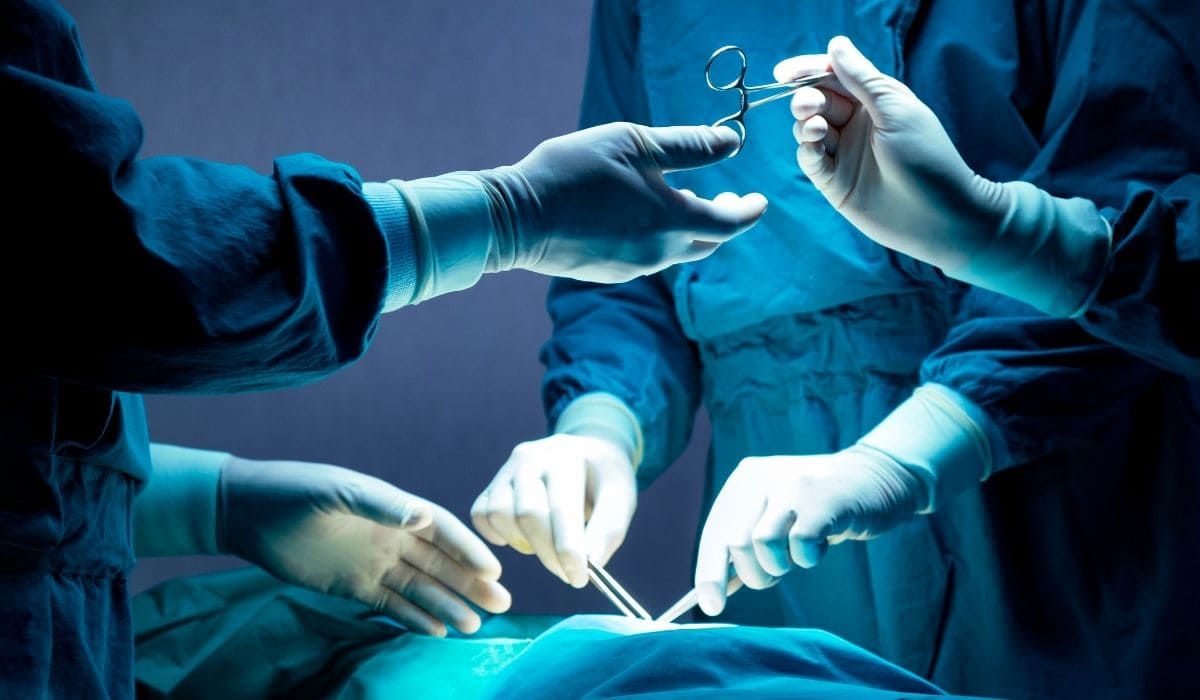
Patient Dissatisfied with  Rhinoplasty: when to contact a medical malpractice attorney

A rhinoplasty medical malpractice attorney is often consulted when post-surgical outcomes raise questions about professional standards rather than cosmetic preference.

Rhinoplasty is a complex surgical procedure that affects both appearance and breathing function, and while dissatisfaction alone does not establish malpractice, certain outcomes may signal medical negligence rather than aesthetic disappointment.

From a legal standpoint, cosmetic surgery is held to the same professional standards as any other medical procedure.  (more…)

What Evidence Is Needed to Win a Medical Malpractice Negligence Case?

Evidence needed to win a medical malpractice negligence case determines whether a claim survives investigation, withstands defense challenges, and succeeds at trial. 

Medical malpractice cases are not won by pointing to a bad outcome or a patient’s belief that something went wrong. 

They are won by assembling precise, credible evidence that proves negligence caused measurable harm.

From a litigation standpoint, malpractice cases rise or fall on documentation, expert analysis, and the ability to connect medical decisions to patient injury.
(more…)

Secret Link