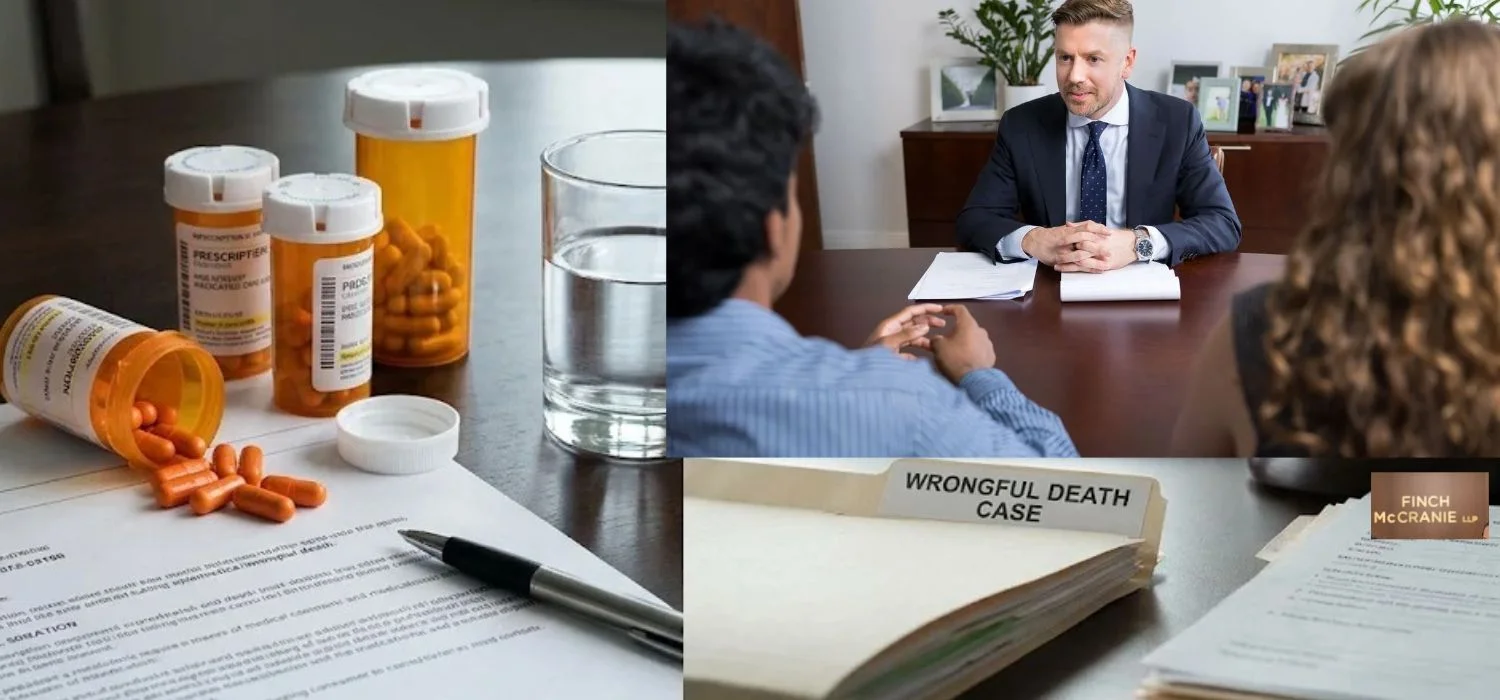
Personal Injury & Wrongful Death

Key Steps in Building Your Truck Accident Case with Your Lawyer

Truck accidents can be devastating, resulting in serious injuries, property damage, and even loss of life. 

When you’re involved in a truck accident, navigating the legal process can be complex and overwhelming. 

Building a solid case with the help of a skilled lawyer is crucial to ensuring you receive the compensation you deserve. 

In this article, we’ll outline the critical steps in building your truck accident case with your lawyer.
(more…)

The Importance of Hiring a Specialized Truck Accident Lawyer

Truck accidents can have devastating consequences, often resulting in severe injuries, property damage, and even loss of life. 

When faced with the aftermath of a truck accident, individuals may find themselves overwhelmed by the complexities of navigating legal proceedings while coping with physical and emotional trauma. 

In such challenging times, the importance of hiring a specialized truck accident lawyer cannot be overstated. 

These legal professionals possess the expertise, resources, and
(more…)

Commercial Truck Accidents: Understanding Your Rights with a Lawyer’s Guidance

Commercial truck accidents are among the most devastating incidents on our roads. 

The sheer size and weight of these vehicles mean that when accidents occur, the consequences can be catastrophic. 

In such instances, knowing your rights and seeking legal guidance is crucial. 

This article aims to provide insight into the complexities of commercial truck accidents and the importance of consulting with a lawyer to understand and protect your rights.


The Nature of Commercial Truck Accidents

Commercial trucks, such as tractor-trailers, semi-trucks, and delivery vehicles, are integral to the functioning of our economy. 

However, their size and weight make them inherently dangerous in the event of a collision. 

Factors such as driver fatigue, mechanical failures, improper loading, and adverse weather conditions can contribute to accidents involving commercial trucks. 

Due to their complexity, these accidents often result in severe injuries, property damage, and even fatalities.

Understanding Your Rights

In the aftermath of a commercial truck accident, victims may feel overwhelmed and unsure of their rights. 

However, it’s essential to remember that you have legal protections in place to ensure you receive fair compensation for your losses. 

Consulting with a lawyer who specializes in truck accident cases can help you understand these rights and navigate the legal process effectively.


Legal Liability

Determining liability in commercial truck accidents can be challenging due to the involvement of multiple parties. 

In addition to the truck driver, other potentially liable parties may include the trucking company, vehicle manufacturers, maintenance providers, and cargo loaders. 

A skilled attorney can conduct a thorough investigation to identify all responsible parties and hold them accountable for their negligence.

Compensation for Damages 

Victims of commercial truck accidents may be entitled to various forms of compensation, including medical expenses, lost wages, property damage, pain and suffering, and wrongful death benefits. 

An experienced lawyer can assess the full extent of your damages and negotiate with insurance companies or pursue legal action to ensure you receive fair compensation.

Statute of Limitations

It’s essential to be aware that there is a limited window of time in which you can file a lawsuit following a truck accident. 

This timeframe, known as the statute of limitations, varies by state and can range from one to several years. 

Consulting with a lawyer promptly after an accident can ensure that you meet these deadlines and preserve your right to seek compensation.

Legal Representation

Dealing with the aftermath of a commercial truck accident can be overwhelming, especially when facing off against large corporations and their insurers. 

Having a knowledgeable attorney by your side can level the playing field and provide you with the support and advocacy you need during this challenging time.

Investigative Resources

Truck accidents often require in-depth investigation to determine the root cause and liability. 

Experienced truck accident attorneys have access to resources such as accident reconstruction experts, forensic specialists, and industry consultants who can help uncover critical evidence. 

From analyzing black box data to inspecting maintenance records, these professionals play a crucial role in building a solid case on behalf of accident victims.

Federal Regulations

Commercial trucks are subject to strict regulations imposed by the Federal Motor Carrier Safety Administration (FMCSA) to ensure safety on the roads. 

These regulations govern various aspects of trucking operations, including driver hours of service, vehicle maintenance, and cargo securement. 

Violations of these regulations can significantly contribute to accidents and may serve as evidence of negligence in legal proceedings. 

A knowledgeable attorney will be well-versed in these regulations and can leverage them to strengthen your case.

Complex Insurance Claims

Insurance claims involving commercial truck accidents can be highly complex due to the multiple parties and insurance policies involved. 

In addition to the truck driver’s insurance, there may be coverage from the trucking company, cargo owner, and other entities. 

Understanding how these policies interact and pursuing maximum compensation requires expertise in insurance law. 

A skilled attorney can navigate the intricacies of insurance claims and ensure that you receive the full benefits you are entitled to under the relevant policies.

Negotiation and Litigation

While many truck accident cases are resolved through negotiation and settlement, some may proceed to litigation if a fair resolution cannot be reached out of court. 

In either scenario, having a seasoned attorney on your side is essential.

A skilled negotiator can advocate for your interests during settlement discussions, while a seasoned litigator can effectively present your case in court if necessary. 

Whether through negotiation or litigation, the goal is to achieve the best possible outcome for the victim and their family.

Emotional Support

In addition to legal guidance, truck accident victims may also benefit from emotional support during the recovery process. 

Dealing with the physical and emotional aftermath of a severe accident can be overwhelming, and having a compassionate attorney who understands your challenges can provide invaluable support. 


commercial truck accident lawyer


A reputable law firm will prioritize the well-being of its clients and offer resources and referrals to help them cope with the trauma and move forward with their lives.

Community Safety Advocacy

Beyond individual cases, truck accident attorneys often play a broader role in advocating for safer roads and stricter regulations to prevent future accidents. 

By highlighting common causes of truck accidents and advocating for policy changes, these attorneys contribute to improving safety standards in the trucking industry and protecting the rights of all road users.

Public Awareness and Education

Truck accident attorneys also play a crucial role in raising public awareness about the dangers of commercial trucking and promoting safer driving practices. 

Through educational initiatives, outreach programs, and community events, these legal professionals strive to inform the public about common causes of truck accidents and empower individuals to take proactive measures to protect themselves on the road. 

By fostering a culture of safety and responsibility, they aim to reduce the incidence of truck accidents and prevent needless injuries and fatalities.

Conclusion

Commercial truck accidents can have devastating consequences for victims and their families. 

Still, with the guidance of a skilled attorney, you can assert your rights and pursue the justice and compensation you deserve. 

From navigating complex legal proceedings to advocating for safer roads and communities, truck accident attorneys play a multifaceted role in protecting the interests of accident victims and promoting accountability within the trucking industry.

If you or a loved one has been injured in a commercial truck accident, don’t hesitate to seek legal guidance from Finch McCranie and take the first step toward reclaiming your future. 

Contact us here for a consultation.

FAQs

What are commercial truck accidents?

Commercial truck accidents involve collisions or incidents with vehicles such as tractor-trailers, semi-trucks, and delivery trucks. Due to their size and weight, these accidents often result in severe injuries, property damage, and fatalities.

Why is it important to understand my rights after a commercial truck accident?

Understanding your rights is crucial to ensure you receive fair compensation for your losses. Commercial truck accidents can involve complex legal processes, and knowing your rights can help you navigate these challenges effectively.

What kind of legal guidance can a lawyer provide after a commercial truck accident?

A lawyer specializing in truck accident cases can provide guidance on your legal rights, assist in determining liability, assess your damages, negotiate with insurance companies, and represent you in court if necessary.

Who can be held liable in a commercial truck accident?

Liability in commercial truck accidents may extend to various parties, including the truck driver, trucking company, vehicle manufacturers, maintenance providers, and cargo loaders. A lawyer can conduct a thorough investigation to identify all responsible parties.

What kind of compensation can I receive after a commercial truck accident?

Victims of commercial truck accidents may be entitled to compensation for medical expenses, lost wages, property damage, pain and suffering, and wrongful death benefits. A lawyer can assess your damages and pursue the appropriate compensation on your behalf.

What is the statute of limitations for filing a lawsuit after a commercial truck accident?

The statute of limitations varies by state and typically ranges from one to several years. Consulting with a lawyer promptly after an accident is crucial to ensure you meet these deadlines and preserve your right to seek compensation.

How can a lawyer help with insurance claims involving commercial truck accidents?

A lawyer can navigate the complexities of insurance claims, including dealing with multiple parties and policies, to ensure you receive the full benefits you are entitled to under the relevant policies.

What happens if a fair resolution cannot be reached out of court?

If a fair resolution cannot be reached through negotiation, your lawyer can represent you in court proceedings. Whether through negotiation or litigation, the goal is to achieve the best possible outcome for you and your family.

Besides legal assistance, what other support can a lawyer provide after a commercial truck accident?

In addition to legal guidance, a compassionate attorney can offer emotional support and resources to help you cope with the physical and emotional aftermath of the accident.

Top 5 Common Types of Product Liability Cases Explained

In today’s consumer-driven world, product liability cases have become increasingly prevalent. From faulty electronics to contaminated food items, consumers are often exposed to various risks associated with the products they use daily. Understanding the common types of product liability cases is crucial for both consumers and manufacturers alike. This comprehensive guide will delve into the top five common types of product liability cases, providing insights into their causes, legal implications, and preventive measures.

Defective Manufacturing

Defective manufacturing occurs when
(more…)

Successful Legal Strategies Used by Truck Accident Lawyers

Truck accidents can leave devastation in their wake, both physically and emotionally. In the aftermath, victims often find themselves grappling with injuries, mounting medical bills, and uncertainty about their future. This is where the expertise of truck accident lawyers becomes indispensable. These legal professionals specialize in navigating the complex terrain of truck accident cases, employing a variety of successful legal strategies to secure justice and compensation for their clients.

Understanding the Complexity of Truck Accident Cases

Truck accident cases
(more…)

Navigating Truck Accident Lawsuits: Product Liability & Medical Malpractice

In the realm of personal injury law, few incidents carry the potential for devastation, quite like truck accidents. These collisions often result in severe injuries, significant property damage, and, tragically, loss of life. When such accidents occur, victims and their families are thrust into a complex legal landscape where multiple factors may contribute to the incident’s cause and subsequent liability.

Understanding Truck Accident Lawsuits

(more…)

Common Injuries in Truck Accidents: When to Consult a Medical Malpractice Attorney

Truck accidents can have devastating consequences, often resulting in severe injuries and significant trauma for those involved. 

Understanding the common injuries that occur in truck accidents and knowing when to seek legal assistance from a medical malpractice attorney can be crucial for victims seeking compensation and justice. 

In this comprehensive guide, we’ll delve into the various types of injuries frequently sustained in truck accidents and explore the circumstances under which consulting a medical malpractice attorney
(more…)

Navigating the Roads of Justice: The Importance of Hiring a Specialized Truck Accident Lawyer

In the vast network of highways and byways that crisscross our nations, commercial trucks are the lifeblood of commerce, transporting goods from coast to coast.

However, with this vital role comes a sobering reality: the potential for accidents involving these massive vehicles is ever-present.

In the aftermath of a truck accident, the consequences can be catastrophic, leaving victims grappling with injuries, financial burdens, and emotional trauma.

In such dire circumstances, the importance of hiring a specialized truck accident lawyer cannot be overstated.

Navigating Complex Regulations:

(more…)

Medical Malpractice in Truck Accidents: Key Legal Considerations

In the world of personal injury law, truck accidents present a unique set of challenges. 

Not only do these incidents often result in severe injuries and damages, but they can also involve complex legal issues, including the potential for medical malpractice. 

When medical professionals fail to meet the standard of care expected of them, especially in the context of treating injuries sustained in a truck accident, the repercussions can be significant. 


Understanding the key legal considerations surrounding medical malpractice in truck accidents is essential for both victims and legal practitioners alike.

The Intersection of Medical Malpractice and Truck Accidents: 

Truck accidents can lead to catastrophic injuries, ranging from traumatic brain injuries and spinal cord damage to severe orthopedic injuries and internal organ damage. 

In such cases, victims often require immediate medical attention and ongoing care. 

However, if the medical treatment falls short of the accepted standard of care, it can exacerbate the already dire situation.

Establishing Medical Malpractice: 

Proving medical malpractice in the context of a truck accident requires demonstrating four key elements: duty of care, breach of duty, causation, and damages. 

First, it must be established that the medical professional owed a duty of care to the patient. This duty typically exists when a doctor-patient relationship is established. 

Second, it must be shown that the medical professional breached this duty by failing to provide treatment that meets the accepted standard of care. 

This often involves expert testimony to establish what a reasonable medical professional would have done under similar circumstances. 

Third, there must be a direct link between the breach of duty and the harm suffered by the patient.

Common Examples of Medical Malpractice in Truck Accident Cases:

Common Examples of Medical Malpractice in Truck Accident Cases: 

Medical malpractice can take various forms in the aftermath of a truck accident. 

Examples include misdiagnosis or delayed diagnosis of injuries, surgical errors during emergency procedures, medication errors, failure to monitor patients adequately, and premature discharge from medical care. 

Each of these instances can significantly impact the patient’s recovery and potentially worsen their condition.

Legal Challenges and Considerations: 

Navigating medical malpractice claims arising from truck accidents involves several legal challenges. 

Statute of limitations issues, expert witness testimony, and complex medical evidence are just a few examples. 

Additionally, determining liability can be complicated, especially when multiple parties, such as the truck driver, trucking company, and medical professionals, may share responsibility for the victim’s injuries.

Seeking Legal Guidance: 

Given the intricacies involved in medical malpractice claims stemming from truck accidents, seeking guidance from experienced legal professionals is crucial. 

A knowledgeable attorney can help victims understand their rights, gather evidence, navigate the legal process, and pursue the compensation they deserve for their injuries and losses.

Mitigating Medical Malpractice Risks:

 In the context of truck accidents, mitigating the risks of medical malpractice begins with proactive measures. 

Healthcare providers and facilities can implement protocols and procedures specifically tailored to treating patients injured in truck accidents. 

This may involve specialized training for medical staff, standardized protocols for assessing and treating common truck accident injuries, and ensuring effective communication among healthcare team members. 

By taking these proactive steps, medical professionals can reduce the likelihood of errors and uphold the standard of care expected in such critical situations.

The Role of Technology in Reducing Medical Errors: 

Advancements in medical technology offer promising opportunities for reducing medical errors and improving patient outcomes following truck accidents. 

Electronic health records (EHRs), telemedicine capabilities, and diagnostic imaging technologies enable healthcare providers to access vital patient information quickly and collaborate more effectively. 

Additionally, innovative tools such as decision support systems and artificial intelligence can assist healthcare professionals in making accurate diagnoses and treatment decisions. 

By leveraging these technological advancements, medical teams can enhance patient safety and minimize the risk of medical malpractice in the aftermath of truck accidents.

Legislative and Regulatory Considerations: 

Legislative and regulatory frameworks play a significant role in addressing medical malpractice issues arising from truck accidents. 

State laws govern the statute of limitations for filing medical malpractice claims, as well as the standards of care expected of healthcare providers. 

Additionally, regulatory bodies such as state medical boards oversee licensing and disciplinary actions against medical professionals who fail to meet the standard of care. 

Advocacy for stronger regulations and enforcement mechanisms can help deter medical malpractice and hold negligent parties accountable for their actions.

The Importance of Comprehensive Legal Representation: 

Successfully navigating medical malpractice claims stemming from truck accidents requires comprehensive legal representation. 

Experienced personal injury attorneys with expertise in medical malpractice law can assess the unique circumstances of each case, identify liable parties, and develop a strategic legal approach. 

From conducting thorough investigations and obtaining expert testimony to negotiating settlements or litigating in court, skilled legal advocates work tirelessly to secure the best possible outcome for their clients. 

By partnering with a dedicated legal team, truck accident victims can seek justice and compensation for the harm they have suffered due to medical negligence.

Raising Awareness and Promoting Accountability: 

Raising awareness about the risks of medical malpractice in the context of truck accidents is essential for promoting accountability and driving positive change. 

Educational initiatives aimed at both healthcare providers and the general public can highlight the importance of patient safety and the consequences of medical errors. 

Additionally, advocacy efforts to reform medical malpractice laws and improve patient protections can help ensure that victims receive fair compensation and that healthcare providers are held to the highest standards of care. 

By working together to address the underlying causes of medical malpractice, stakeholders can strive to prevent future tragedies and uphold the integrity of the healthcare system.

Conclusion: 

In conclusion, navigating the aftermath of a truck accident compounded by medical malpractice can be incredibly complex. 

Victims need to understand their legal rights and options for recourse against negligent medical professionals. 

By grasping the key legal considerations surrounding medical malpractice in truck accidents, individuals can safeguard their interests and pursue the justice and compensation they deserve. 

If you or a loved one have been affected by such circumstances, don’t hesitate to reach out to us for guidance. 

Contact us today to explore your options further: Contact us.

FAQs

What is the intersection between medical malpractice and truck accidents?

Truck accidents often result in severe injuries requiring immediate medical attention. If medical professionals fail to meet the standard of care expected of them in treating these injuries, it can lead to medical malpractice claims.

How is medical malpractice established in the context of a truck accident?

Proving medical malpractice involves demonstrating four key elements: duty of care, breach of duty, causation, and damages. This includes showing that the medical professional owed a duty of care, breached this duty, directly caused harm, and resulted in damages to the patient.

What are some common examples of medical malpractice in truck accident cases?

Examples include misdiagnosis or delayed diagnosis of injuries, surgical errors during emergency procedures, medication errors, failure to monitor patients adequately, and premature discharge from medical care.

What are the legal challenges associated with medical malpractice claims arising from truck accidents?

Legal challenges include statute of limitations issues, obtaining expert witness testimony, dealing with complex medical evidence, and determining liability, especially when multiple parties may share responsibility for the victim’s injuries.

Why is seeking legal guidance important in these cases?

Experienced legal professionals can help victims understand their rights, gather evidence, navigate the legal process, and pursue the compensation they deserve for their injuries and losses.

How can medical malpractice risks be mitigated in the context of truck accidents?

Healthcare providers and facilities can implement protocols and procedures tailored to treating patients injured in truck accidents, including specialized training for staff and standardized protocols for assessing and treating injuries.

What role does technology play in reducing medical errors after truck accidents?

Advancements such as electronic health records, telemedicine capabilities, and diagnostic imaging technologies enable healthcare providers to access vital patient information quickly and make accurate diagnoses and treatment decisions.

What legislative and regulatory considerations are relevant to medical malpractice in truck accidents?

State laws govern the statute of limitations for filing claims and standards of care for healthcare providers. Regulatory bodies oversee licensing and disciplinary actions against negligent professionals.

Why is comprehensive legal representation important for victims of medical malpractice in truck accidents?

Skilled attorneys can assess the unique circumstances of each case, identify liable parties, and develop a strategic legal approach, ensuring victims receive fair compensation for their injuries and losses.

How can awareness and accountability promote positive change in addressing medical malpractice in truck accidents?

Educational initiatives can highlight patient safety and the consequences of medical errors. Advocacy efforts for reforming laws and improving patient protections can help prevent future tragedies and uphold the integrity of the healthcare system.

What should truck accident victims do if they suspect they have been victims of medical malpractice, but are unsure about their legal options?

If truck accident victims suspect medical malpractice but are uncertain about their legal options, they should consider seeking a consultation with a reputable personal injury attorney. During the consultation, the attorney can provide insights into the potential merits of their case, discuss the available legal pathways, and offer guidance on how to proceed.

Navigating Complexities: How a Truck Accident Lawyer Can Help with Products Liability Claims

In the realm of personal injury law, navigating the intricacies of truck accidents and product liability claims requires a skilled legal professional. When a truck accident occurs due to a defective product, the legal landscape becomes even more complex. This article delves into the role of a truck accident lawyer in handling product liability claims, shedding light on the challenges involved and the ways in which legal expertise can make a significant difference.

Understanding Truck Accidents and Product Liability: 

(more…)

Signed a Consent Form but the Surgery Went Wrong? Understanding Medical Malpractice

Signed a consent form medical malpractice issues often surface after a surgical procedure results in serious injury or loss of life. 

Families are frequently told that the outcome was an accepted risk, leaving them unsure whether legal action is even possible.

In personal injury and wrongful death cases, however, the presence of a consent form does not end the legal inquiry.

From an injury law perspective, the critical question is not whether a patient signed paperwork but whether the medical provider caused avoidable harm through negligent conduct.
(more…)

Wrongful Death Compensation: Who Gets What and How It’s Decided

Wrongful death compensation is intended to provide financial stability and legal accountability after a family loses a loved one due to another party’s negligence or misconduct. 

While no amount of money can replace a life, compensation plays a critical role in addressing lost income, emotional suffering, and the long-term impact on surviving family members.

Many families assume compensation is automatically divided equally or paid to a single person. 

In reality, wrongful death damages distribution is governed by state law, court oversight, and the specific relationships involved.
(more…)

Common Types of Dental Malpractice: Trends, Risks, and When to Contact an Attorney

Common types of dental malpractice form the foundation of many professional negligence claims brought by patients who suffer preventable injuries during dental care. 

From a legal standpoint, these cases are not driven by dissatisfaction or discomfort alone. 

They arise when a dentist’s actions fall below accepted professional standards and cause harm that could have been avoided through proper care.

Modern dentistry has expanded rapidly, with increased reliance on implants, cosmetic procedures, sedation, and advanced technology.
(more…)

How Dental Malpractice Lawsuits Succeed in Court

Dental malpractice lawsuits are won in court when attorneys demonstrate that a dentist’s actions fell outside accepted professional standards and caused avoidable harm to a patient. 

From a legal standpoint, these cases are not about dissatisfaction or imperfect results; they are about proving negligence through evidence, expert interpretation, and clear causation.

Dentists are afforded professional discretion, and courts do not second-guess medical judgement lightly. 

For that reason, dental malpractice cases demand careful legal
(more…)

Automated Truck Accidents: Attorneys Explain the Risks of Public Road Testing

Automated truck accidents are becoming an increasing concern as self-driving and semi-autonomous commercial vehicles are tested on public highways alongside everyday drivers. 

As trucking and technology companies promote automation as the future of transportation, the reality is that these systems are still experimental and when they fail, the consequences can be catastrophic.

Unlike closed testing environments, public roads present unpredictable variables: human drivers, pedestrians, cyclists, construction zones, weather changes, and sudden traffic events. 


When automated trucking systems are deployed before they are fully reliable, the public effectively becomes part of a live experiment often without consent or warning. 

Attorneys who handle serious truck crash litigation are increasingly warning that premature public road testing exposes motorists to unnecessary risk and creates complex legal questions when accidents occur.

Why Public Road Testing Raises Serious Safety Concerns

Public highways are uncontrolled environments. 

Contrary to test tracks, they involve unpredictable behavior from other drivers, sudden lane closures, emergency vehicles, and weather-related hazards. 

Self-driving truck testing risks increase dramatically when automated systems must interpret these variables in real time.

Autonomous trucking safety concerns are amplified by the size and weight of commercial vehicles. 

A system error that might cause a minor collision in a passenger vehicle can result in devastating injuries when an 80,000-pound truck is involved.

Why Automated Truck Accident Cases Are Legally Complex

Automated truck accidents rarely involve a single responsible party. Liability may be shared among trucking companies, technology providers, contractors, and drivers. 

Accessing critical evidence, such as proprietary software data adds another layer of complexity.

Defense teams often argue that no clear legal standards apply, making these cases aggressively contested. 

Automated truck accident attorney involvement is critical to preserving evidence and establishing accountability early.

Evidence in Automated Truck Accident Lawsuits

Evidence plays a decisive role in automated truck accident lawsuits, often determining whether victims can successfully prove fault in cases involving complex technology and multiple corporate defendants. 

Unlike traditional truck crashes, these cases rely heavily on digital and electronic data generated by automated driving systems and data that is rarely accessible without immediate legal intervention.

Automated trucks operate using interconnected hardware, software, and remote systems, evidence exists across multiple platforms. 

Identifying, preserving, and interpreting this information requires swift action and technical expertise.

Sensor Logs and Perception Data

Automated trucks rely on sensors such as cameras, radar, and lidar to detect vehicles, obstacles, lane markings, and traffic conditions. 

Sensor logs record what the system saw in the moments leading up to a crash. 

These records can reveal whether the automated system failed to recognize a stopped vehicle, misjudged distance, or incorrectly classified a hazard.

Sensor data is critical to determining whether the crash resulted from a perception failure rather than human error. 

Without access to these logs, defendants may argue that the system performed as designed and shift blame elsewhere.

System Diagnostics and Event Data

Automated trucks continuously generate system diagnostics that track performance, warnings, and faults. 

These records may show software malfunctions, sensor outages, delayed responses, or system disengagements immediately before an accident.

Event data can also indicate whether the vehicle attempted emergency braking, issued alerts to a safety driver, or experienced internal errors. 

This information is essential for reconstructing how the crash occurred and whether the automated system responded appropriately.

Software Update and Version Histories

Software governs how automated trucks interpret data and make driving decisions. 

Software update histories can reveal whether the system was operating on an outdated or experimental version at the time of the crash.

In some cases, manufacturers deploy updates to correct known safety issues.

If a crash occurs before those updates are implemented or if the update itself introduces a defect software records may support claims of negligent deployment or product liability.

Video Footage and Camera Recordings

Automated trucks often record video from multiple angles, including forward-facing cameras, side views, and sometimes interior monitoring of the safety driver. 

This footage can capture lane changes, braking behavior, traffic signals, and the actions of other vehicles.

Video evidence provides real-time context that cannot be replicated through reports or witness testimony alone. 

However, video data is frequently overwritten unless preserved quickly, making early legal demands essential.

Remote Monitoring and Fleet Management Data

Many automated truck operations involve remote monitoring centers that track vehicle location, performance, and system status in real time. 

Remote monitoring data may show whether operators were actively supervising the vehicle or responding to system alerts.

This information can help establish whether adequate oversight was in place during testing and whether remote operators failed to intervene when problems arose.

Human Override and Safety Driver Records

When automated trucks require human supervision, records related to safety drivers become critical. 

These may include training logs, work schedules, fatigue records, and engagement data showing whether the driver was attentive or distracted.

Evidence may also reveal delayed handoffs between automated systems and human control, a common factor in automated truck accidents. 

These records can support claims of inadequate training or unsafe testing protocols.

Why Evidence Control Creates an Unequal Playing Field

In automated truck accident cases, nearly all critical evidence is controlled by corporate defendants, including trucking companies and technology developers. 

Victims rarely have independent access to system data, making them dependent on legal discovery to uncover the truth.

Without prompt legal action, companies may claim data was automatically deleted, overwritten, or proprietary. 

This imbalance makes early attorney involvement essential to preserving evidence and preventing spoliation.

The Importance of Immediate Legal Action

Prompt legal action allows attorneys to issue preservation notices, seek court orders, and secure expert access to digital evidence before it is lost. 

Early intervention also helps prevent selective disclosure, where only favorable data is produced.

In automated truck accident lawsuits, evidence preservation is not a procedural detail, it is often the difference between accountability and denial. 

Acting quickly helps ensure that the full story of what happened is preserved and available for independent analysis.

How Automated Truck Accidents Impact Injury and Wrongful Death Claims

Commercial autonomous truck crashes frequently result in severe injuries due to vehicle size and speed. 

Victims may suffer traumatic brain injuries, spinal damage, or fatal trauma.

Wrongful death claims involving autonomous vehicle testing accidents raise additional questions about experimental risk, corporate decision-making, and whether public testing placed profit ahead of safety.

Why Attorneys Warn Against Premature Public Road Testing

Attorneys representing crash victims consistently warn that innovation should not outpace safety. 

Public road testing effectively shifts risk from corporations to everyday drivers.

Without stronger oversight and accountability, automated truck accidents will continue to expose the public to unnecessary danger. 

Litigation plays a critical role in forcing transparency and improving safety standards.

Legal Options for Victims of Automated Truck Accidents

Victims may pursue personal injury claims, product liability lawsuits, or wrongful death actions depending on the severity of harm. 

In some cases, multiple defendants may be named due to shared responsibility.

Understanding trucking accident liability autonomous vehicles requires experienced legal guidance capable of navigating both transportation law and emerging technology issues.

The Future of Autonomous Trucking and Legal Accountability

Automated trucking is expected to expand rapidly. 

As deployment increases, so will autonomous truck accidents unless regulations and accountability evolve.

The legal system will continue shaping how responsibility is assigned and how public safety is protected as technology advances.

Conclusion

Automated truck accidents highlight the dangers of introducing experimental technology onto public roads without sufficient safeguards. 

Since automation may offer future benefits, current testing practices expose motorists to unacceptable risks. Accountability not innovation alone must remain the priority.

Injured in an Automated Truck Accident? Speak With an Attorney

Automated truck crash cases involve complex technology, multiple defendants, and aggressive corporate defense strategies. 

Early legal action is critical to preserving evidence and protecting your rights. 

Finch McCranie LLP represents victims harmed by emerging transportation risks and fights to hold negligent companies accountable.

Frequently Asked Questions 

What are automated truck accidents?

Automated truck accidents involve commercial vehicles using self-driving or semi-autonomous technology that collide with other vehicles, objects, or pedestrians. These crashes often occur when automated systems fail to correctly interpret road conditions or when human oversight breaks down.

Why is testing automated trucks on public roads risky?

Public roads present unpredictable conditions such as construction zones, weather changes, and human driving behavior. Automated systems are still developing and may not respond reliably to these variables, increasing the risk of serious crashes.

Who can be held responsible in an automated truck accident?

Liability may extend to trucking companies, technology developers, safety drivers, or third-party contractors. Responsibility depends on whether the crash resulted from system design flaws, negligent testing, or human supervision failures.

How are automated truck accident cases different from traditional truck crashes?

These cases often involve multiple defendants and complex technical evidence such as software logs and sensor data. Determining fault requires expert analysis and early legal action to preserve digital records.

What types of injuries result from automated truck accidents?

Injuries may include traumatic brain injuries, spinal cord damage, internal organ injuries, or fatal trauma. The size and weight of commercial trucks often make these crashes especially severe.

What evidence is important in an automated truck accident lawsuit?

Critical evidence may include vehicle sensor data, system diagnostics, video recordings, and software update histories. This information is often controlled by corporate defendants and must be preserved quickly.

Can families file wrongful death claims after an automated truck crash?

When automated truck accidents result in fatal injuries, surviving family members may pursue wrongful death claims. These cases examine whether negligent testing or defective technology contributed to the death.

Why do attorneys warn against premature autonomous truck testing?

Attorneys emphasize that public road testing exposes motorists to experimental technology without their consent. Without clear regulations and accountability, these practices can place profit ahead of public safety.

When should an attorney be contacted after an automated truck accident?

Legal counsel should be contacted as soon as possible after a crash. Early involvement helps secure evidence, identify responsible parties, and protect the injured person’s legal rights.

Different Types of TBIs Caused by Truck Accidents and Your Legal Options

Traumatic brain injuries from truck accidents often leave victims and families overwhelmed, uncertain, and unsure where to turn next.

In our experience as attorneys, many clients come to us not because they immediately wanted to file a lawsuit, but because they needed answers, clarity, and protection while dealing with a life-altering injury.

Truck-related brain injuries are medically complex and legally challenging.

Victims may look fine on the outside while struggling with memory loss, emotional changes, or the inability to return to work. 
(more…)

Why Survivors Deserve More Than Silence: The Role of Dash Cam Evidence in Truck Accidents

Dash cam evidence in truck accidents has become one of the most powerful tools survivors have to protect the truth after a devastating collision. 

When commercial trucks are involved, victims and families are often forced to stand alone against trucking companies that control critical evidence, employ rapid-response legal teams, and shape the narrative within hours of a crash. Video footage changes that balance.

Unlike statements that can be challenged or rewritten, dash cam footage captures what actually happened.
(more…)

What Are the Risks of Opioids and When Do They Qualify as Wrongful Death Cases?

Opioids can cause serious harm, including fatal respiratory depression, but an opioid-related death is not automatically medical malpractice. A wrongful-death case requires evidence that legally actionable conduct caused the death. The investigation must connect specific prescribing, dispensing or monitoring decisions to the outcome rather than rely on the drug’s risks alone.

At Finch McCranie LLP, our medical malpractice practice includes prescription drug errors and overdoses. When opioid treatment is involved, a careful review must account for the patient’s condition, treatment setting, available information and complete medication history.

What Are the Risks of Opioids and When Do They Qualify as Wrongful Death Cases?

Clinical Risk and Legal Responsibility Are Different Questions

Opioids have legitimate therapeutic uses. They also require patient-specific assessment because the consequences of treatment can vary with the drug, dose, other substances and health conditions. A legal review should examine how those considerations were handled without suggesting that prescribing an opioid is inherently negligent.

The CDC’s opioid prescribing guideline addresses adult outpatient pain care within a defined scope and emphasizes individual clinical judgment. It is not a universal legal rule for every hospital, cancer, sickle-cell, palliative or end-of-life setting. A guideline recommendation does not alone decide whether malpractice occurred.

Experts should consider the standards and information applicable when the care was delivered. A later warning or recommendation should not be treated as though it had necessarily governed an earlier prescription. The patient’s actual presentation and setting remain central.

Which Treatment Decisions Deserve Examination

Starting or Changing Therapy

The records may explain the reason for treatment, alternatives discussed, prior exposure and the intended follow-up. A dose increase should be considered alongside the clinical justification, observed response and information known at the time. A number viewed in isolation cannot establish negligence.

The review may also examine whether prescriptions from different clinicians were coordinated. Prescription drug monitoring information can contribute to that review, but access rules and the records’ completeness matter. A database entry is not a complete account of what the patient actually consumed.

Combining Medications and Other Substances

The FDA warns about serious risks when benzodiazepines are used with opioids, including severe respiratory depression and death. Whether a particular combination was appropriate still requires clinical context; the presence of both medications does not automatically prove a breach.

Investigators may ask what each clinician knew about the other medications, what instructions were given and whether relevant information was communicated. Alcohol and nonprescribed substances may also affect the medical analysis. The goal is a complete account, not a presumption about the patient.

Reassessment and Response to Concerns

Reviewing follow-up means identifying what the patient reported, what findings were documented and what decisions followed. A missed appointment, early refill request or reported sedation may deserve examination, but none establishes the entire case alone.

Physical dependence, tolerance and opioid use disorder are not interchangeable terms. Treatment must be assessed without treating dependence as proof of misuse. Nor should concerns about risk be turned into advice to stop medication suddenly; federal safety guidance on discontinuation describes harms associated with abrupt or rapid changes in physically dependent patients. Treatment changes belong with qualified clinicians.

Proving Cause of Death Requires More Than a Drug Finding

A toxicology report can help identify substances detected in a sample. It does not independently establish who supplied them, the precise dose taken or whether a particular prescriber caused the death. Expert interpretation must account for the specimen and collection circumstances, medical history, other substances and relevant treatment.

The legal theory must identify both the alleged departure and its causal effect. For example, the analysis may concern whether a particular prescribing decision created an avoidable exposure or whether a documented change in condition required a different response. It must also address competing causes.

An accidental classification on a death certificate is not itself a determination that medical care was proper or negligent. Similarly, the absence of a criminal charge does not resolve a civil malpractice question. Each process asks different questions and applies different standards.

Build the Record Around the Entire Treatment Period

A useful record set may extend well before the final prescription. Earlier care can show the patient’s medical history, prior response, medication changes and communications among providers. The final event alone may not explain the treatment decisions being challenged.

Relevant sources may include:

  • Prescriber notes, treatment plans and documented reassessments.
  • Prescription histories, pharmacy records and applicable monitoring-program information.
  • Hospital medication administration and observation records.
  • Communications about refills, symptoms or treatment changes.
  • Emergency response, autopsy and toxicology materials where available.

The investigation should distinguish prescribed quantities from actual exposure. A filled prescription does not prove the entire quantity was taken, and a drug detected after death does not necessarily identify the source. If the history is incomplete, the limitation should be recognized rather than filled with assumptions.

Preserve containers, instructions and original communications. Family recollections may add context, especially about observed changes, but avoid attempting a medical diagnosis from memory. Document what was seen and when, leaving clinical interpretation to appropriately qualified professionals.

Assess Each Participant’s Role

A prescribing clinician, pharmacist, administering provider or healthcare facility may have relevant responsibilities. The scope of each role depends on the facts, applicable duties and relationships between the parties. Shared involvement does not establish shared negligence without evidence.

A pharmacy review may involve what information was available and how a particular concern was addressed. A facility review may concern administration, observation or communication rather than the initial outpatient prescription. These differences affect both the records needed and the experts appropriate to the claim.

Our broader article on prescription errors and wrongful death explains the medication-use chain. This article focuses on opioid-specific decisions, not every type of medication mistake or claims about manufacturers and public-health litigation.

Evaluate the Civil Claim Without Stigma or Assumptions

A history of substance use does not automatically defeat a claim or establish that a provider acted negligently. It may be important to risk assessment, causation and other legal issues, which require an evidence-based review. Counsel should be told about the complete history, including difficult or uncertain facts.

Georgia filing authority, expert requirements and deadlines still apply. A wrongful-death claimant and an estate representative may have different roles. Do not assume that waiting for an autopsy, insurer decision or regulatory investigation extends the time to bring a civil action.

Frequently Asked Questions

Does a fatal overdose automatically support a wrongful death lawsuit?

A fatal overdose alone does not establish a wrongful death claim. The evidence must show that someone owed the patient a legal duty, failed to meet that duty, and caused or contributed to the death. An investigation is needed to determine whether malpractice or another legally actionable failure occurred.

Can opioids be appropriate medical treatment?

Opioids can be appropriate when prescribed and managed according to the patient’s needs and clinical circumstances. Their risks do not make every prescription negligent. The review should focus on whether the treatment was appropriate for that patient and setting.

Does a higher dose prove negligent prescribing?

A higher dose alone does not prove negligence. The medication, patient’s medical history, and treatment circumstances all matter. A qualified expert can assess whether the prescribing decision was appropriate and whether it contributed to the death.

Is physical dependence the same as opioid use disorder?

Physical dependence and opioid use disorder are different conditions. Dependence is a physical adaptation that can develop during prescribed use. Opioid use disorder requires a separate clinical assessment, so the terms should not be used interchangeably.

Can toxicology results show exactly how much medication was taken?

A toxicology concentration does not, by itself, establish the exact amount taken. Its interpretation may depend on the specimen tested, the timing, and other medical or forensic factors. A qualified expert should explain what the results show and their limitations.

What if several clinicians prescribed medication to the patient?

The investigation should examine each clinician’s role, the information available to them, and their communications with other providers. Multiple prescriptions may raise concerns about coordination or monitoring, but they do not automatically establish negligence by every prescriber.

Why might pharmacy records differ from the medical chart?

Pharmacy records and medical charts document different parts of the treatment process and may be updated at different times. Any differences should be checked against the original prescriptions and communications between providers. Neither record should be assumed complete or accurate without review.

Do prescribing guidelines determine whether opioid treatment was negligent?

Prescribing guidelines can help inform an expert’s review, but their relevance depends on their scope, publication date, and application to the patient’s care. They do not replace the applicable legal standard or an assessment of the individual circumstances.

Should a family wait for a criminal investigation to finish before seeking legal advice?

Waiting for a criminal investigation to end could put relevant evidence or civil filing deadlines at risk. Families should not assume that a criminal proceeding extends the time to bring a civil claim. An attorney can assess deadlines and preservation needs while other investigations continue.

What should families gather before requesting a legal review?

Gather the names of known prescribers and pharmacies, treatment dates, available prescription records, and documents concerning the cause of death. Preserve original documents and clearly identify anything uncertain, including which medications the patient was known to have taken.

Request a Careful Review of the Opioid Treatment

The central issue is whether a supported failure in care caused the death, evaluated against the patient’s circumstances and the appropriate clinical and legal standards. Neither the risks of opioids nor assumptions about patient behavior can substitute for that analysis.

If you have concerns about a fatal outcome following opioid treatment, contact Finch McCranie LLP to discuss the records and timeline. Our attorneys can assess whether further medical and legal investigation is warranted.

Can Prescription Errors Cause Wrongful Death? Drug Negligence Explained

A prescription error can support a wrongful-death claim when negligent medication-related care caused a patient’s death and the other legal requirements are met. A serious adverse reaction alone does not establish negligence. The investigation must identify what went wrong, who was responsible for that part of the process and how the failure affected the outcome.

At Finch McCranie LLP, our medical malpractice representation includes prescription drug errors and overdoses among the matters described on our service page. Reviewing a suspected fatal medication error requires connecting the prescription, dispensing record and actual treatment history, rather than assuming that the name on a bottle identifies the only potentially responsible party.

Can Prescription Errors Cause Wrongful Death? Drug Negligence Explained

An Adverse Drug Event Is Not Automatically an Error

A medication may cause a known adverse effect despite appropriate care. An error concerns a failure in the medication-use process, such as an incorrect order or an avoidable breakdown in administration. A legal claim requires a supported professional or other duty, a breach, causation and recoverable harm.

The distinction matters when a patient had several illnesses or medications. A reaction occurring after a new prescription makes the timing worth investigating, but sequence alone does not establish cause. Records and expert interpretation must address the drug, patient, dose, timing and alternative explanations.

The FDA’s medication-error overview recognizes that errors can arise across prescribing, communication, dispensing, administration and monitoring. That broader process provides a useful way to organize questions without assuming that every participant committed malpractice.

Follow the Medication Through Each Stage

Prescribing and Order Communication

The review begins with the clinical reason for the drug and the actual order. Relevant questions may concern strength, dose, route, frequency, duration and patient-specific information available to the prescriber. A handwritten note, electronic order and later change may need to be reconciled.

The investigation should distinguish an inappropriate clinical choice from an accurate choice communicated incorrectly. Whether allergy information or another prescription was available at the time can affect the analysis. A later discovery should not be treated as something every provider necessarily knew earlier.

Dispensing and Labeling

The pharmacy record may establish what prescription was received, what product was selected and what instructions accompanied it. Comparing the written directions with the medication actually supplied can help identify a wrong-drug, wrong-strength or labeling concern.

Pharmacist responsibility depends on the applicable professional duties and facts. It should not be described as a universal guarantee that every interaction will be detected. Experts may need to assess the information available to the pharmacy, communications with the prescriber and the handling of a particular concern.

Administration and Monitoring

A correctly prescribed and dispensed medication can still be administered incorrectly. Hospital or facility records may show when a dose was given, by what route and whether another dose was documented. At home, the available history may be less complete and require careful reconstruction.

Monitoring questions depend on the treatment and patient. The issue is what reassessment or follow-up was appropriate in the actual circumstances, not whether every medication required the same tests or schedule. Changes in the patient’s condition and communications about those changes may be important.

Preserve Records That Can Reveal the Breakdown

Different participants hold different parts of the story. A patient-portal medication list may show prescribed therapy without proving what was dispensed or administered. A billing record may show a transaction without establishing the patient took the drug.

Potentially relevant materials include:

  • The original prescription and documented changes or cancellations.
  • Pharmacy dispensing history, labels, receipts and related communications.
  • Medication administration records and relevant electronic information.
  • Clinical assessments, laboratory results and follow-up instructions.
  • Emergency treatment records, cause-of-death documentation and available toxicology.

Keep original containers, packaging and written directions as they are. Photograph identifying information if useful, and ask counsel about appropriate preservation and handling. Do not test, consume or distribute remaining medication to investigate the event yourself.

When preparing a timeline, distinguish prescribed doses, doses known to have been taken and doses inferred from incomplete information. A pill count may contribute to the investigation without proving precisely when or by whom medication was used.

Establishing That the Error Caused the Death

Causation requires more than identifying an incorrect prescription. A qualified expert may need to explain whether the medication exposure caused or contributed to the fatal event and how appropriate care would have changed the outcome under the applicable legal standard.

Toxicology findings must be interpreted in context. The specimen, collection timing, other substances, treatment and medical history can affect meaning. A result should not be labeled “fatal” based only on an internet range or an isolated laboratory value.

The investigation may also consider an omitted medication, delayed treatment or a failure to respond to a complication. An error can concern the absence of needed treatment as well as the administration of the wrong treatment. Each theory needs its own clinical and legal support.

Our guide to medical negligence resulting in death addresses the broader proof and claim structure. Opioid-specific prescribing and monitoring issues are addressed separately in our article on opioid risks and wrongful-death cases.

Responsibility May Involve Several Participants

A prescriber, pharmacy, administering clinician or facility may have different duties. Institutional responsibility can also depend on employment relationships and evidence of the facility’s own conduct. A communication failure does not justify naming every business in the care chain without examining its role.

An investigation should identify the relevant legal entities early. A retail name, hospital system and professional practice may be separate organizations. Records requests, preservation and filing decisions should reflect those distinctions rather than rely only on a logo or a clinician’s workplace.

At Finch McCranie LLP, our medical-malpractice approach includes medical-record collection and expert review. In a medication matter, the appropriate investigation depends on the records and specialties needed; a general description of our practice does not replace case-specific evaluation.

Wrongful-Death Procedure Still Matters

Even compelling medication evidence does not answer who may file. Georgia distinguishes the statutory wrongful-death claimant from an estate representative pursuing separate recoverable losses. Filing authority, deadlines and any required expert affidavit must be evaluated for the actual claims.

Do not wait for a pharmacy, hospital or insurer to finish an internal review before seeking advice about civil deadlines. A complaint or voluntary investigation does not necessarily preserve them. Providing available information promptly can allow legal and clinical review to proceed together.

Frequently Asked Questions

Can negligence occur even when the correct medication was prescribed?

Prescribing the correct medication is only one part of safe treatment. Errors may involve the dosage, instructions, administration, or monitoring. A review should also consider the patient’s medical history and any known risks.

Does a new symptom after starting a prescription prove the medication caused it?

A new symptom may raise concerns, but timing alone does not prove that the medication caused it. Medical review is needed to assess the underlying illness, other medications, and treatment history before drawing conclusions.

What if the prescription label and discharge instructions disagree?

Keep both documents and note when you received each one. Conflicting instructions may reveal a problem with how medication information was communicated or checked. A qualified expert can assess whether the discrepancy contributed to the death.

Can a pharmacy be responsible if it filled the prescription exactly as written?

Filling a prescription accurately does not resolve every question about a pharmacy’s professional responsibilities. Its role depends on the information available and the duties that applied in the circumstances. Supplying the medication alone does not establish liability.

Do electronic drug interaction alerts prove negligence?

An interaction alert does not establish negligence on its own. Its significance depends on the warning, the patient’s circumstances, and the clinical judgment involved. A review should determine who received the alert, how it was handled, and whether that response was appropriate.

What if the patient took more medication than directed?

The investigation should examine how much medication was taken and the circumstances surrounding its use. Clear instructions, patient conduct, foreseeable risks, and provider decisions may all matter. Taking more than directed does not, by itself, resolve every question about responsibility.

Should the family discard any remaining medication?

Before discarding potentially relevant medication, ask an attorney how it should be preserved. Keep it securely stored in its original container, along with labels and related records. Any questions about a living patient’s medication use should be directed to their treating healthcare professional.

Can a regulator’s report replace medical expert testimony?

A regulator’s report may provide useful evidence, but it does not automatically satisfy the requirements of a civil claim. Qualified experts may still need to explain whether the care fell below the applicable standard and whether that failure caused or contributed to the death.

Can a claim be investigated if the patient died outside a hospital?

A death at home or in an outpatient setting does not automatically rule out a claim. The investigation should examine the medication, the instructions provided, and relevant treatment decisions. Care given before the patient left a facility may also be important.

How does an opioid case differ from other prescription error cases?

Opioid cases require careful review of prescribing decisions, patient risks, monitoring, and toxicology findings. As with other medication-related claims, the evidence must establish the provider’s duty, a failure to meet that duty, and a connection to the death.

Identify the Error Before Assigning Responsibility

A useful medication investigation connects the order, supplied product, actual administration and clinical outcome. It also tests alternative explanations and identifies which participant had the relevant duty at each stage.

If you suspect a medication error contributed to a loved one’s death, contact Finch McCranie LLP to discuss the prescriptions, treatment timeline and available records. Our attorneys can evaluate what additional medical and legal review may be needed.

Why Insurance Claims Get Denied and How an Attorney Can Help

Insurance claim denied situations can be both confusing and financially overwhelming, especially when policyholders expect coverage only to face delays, disputes, or outright rejection.

Many people assume insurance exists to provide protection during difficult times, yet insurers frequently deny claims based on technicalities, exclusions, or contested interpretations of policy language.

In this blog, we discuss why insurance claims get denied and how legal representation can help. 

We also explain how policyholders can protect their rights, challenge unfair decisions, and
(more…)

Secret Link