Personal Injury & Wrongful Death

Managing Financial Strain After a Truck Accident: Expert Advice for Navigating Costs

Truck accidents can be life-altering events, not only due to the physical and emotional trauma but also because of the significant financial burden they often bring. 

From medical bills to vehicle repairs, the costs can quickly accumulate, leaving victims in a precarious economic situation. 

However, with the right strategies and expert advice, it is possible to manage these financial strains effectively. 

Here’s a comprehensive guide on navigating the costs associated with
(more…)

Overcoming the Emotional and Psychological Toll of a Truck Accident

Due to the sheer size and weight of commercial trucks, truck accidents are among the most devastating incidents on the road. 

While physical injuries often dominate the conversation, the emotional and psychological toll of such accidents is equally significant and far-reaching. 

Overcoming the aftermath of a truck accident involves addressing both the visible and invisible wounds. 

This article delves into the emotional and psychological impacts of
(more…)

Recovering from Physical Injuries After a Truck Accident: Essential Steps for Healing

Truck accidents can be devastating, leading to severe physical injuries that require comprehensive and prolonged recovery processes. 

The aftermath of such an accident often involves not only dealing with physical pain and injuries but also navigating emotional trauma and financial burdens. 

This article will guide you through the essential steps for healing from physical injuries after a truck accident, emphasizing medical care, rehabilitation, lifestyle adjustments, and mental health support.


Immediate Medical Attention

The first and most crucial step after a truck accident is seeking immediate medical attention. 

Even if injuries do not seem severe, internal injuries or conditions like whiplash may not be immediately apparent. Here’s what to do immediately:

  • Call Emergency Services: Ensure that emergency medical personnel evaluate everyone involved. They can provide first aid and determine if hospitalization is necessary.
  • Follow-Up Appointments: After the initial treatment, schedule follow-up appointments with your healthcare provider to monitor your injuries and recovery progress.

Detailed Medical Assessment

A comprehensive medical assessment is essential to identify all injuries and develop a treatment plan. This may involve:

  • Diagnostic Tests: These include X-rays, MRIs, and CT scans to assess bone fractures, internal injuries, and soft tissue damage.
  • Specialist Consultations: Depending on your injuries, you might need to see specialists such as orthopedic surgeons, neurologists, or physical therapists.

Developing a Treatment Plan

Based on the medical assessment, a personalized treatment plan will be developed. This plan will likely include:

  • Medication Management: Pain relievers, anti-inflammatory drugs, and muscle relaxants may be prescribed to manage pain and inflammation.
  • Surgical Interventions: In cases of severe injuries such as fractures or internal damage, surgery might be necessary.
  • Physical Therapy: A key component of recovery, physical therapy helps restore mobility, strength, and function through targeted exercises and treatments.

Rehabilitation and Physical Therapy

Rehabilitation is a critical phase of the recovery process, involving:

  • Physical Therapy Exercises: These exercises are designed to improve range of motion, strength, and flexibility. A physical therapist will create a customized program based on your specific injuries and recovery goals.
  • Occupational Therapy: This helps you regain the ability to perform daily activities and work-related tasks, focusing on improving fine motor skills and coordination.
  • Pain Management Techniques: These may include acupuncture, massage therapy, and the use of heat or ice packs to alleviate pain and promote healing.

Home Care and Self-Management

Your recovery journey extends beyond the clinic or hospital. Adequate home care and self-management strategies are essential for continuous improvement:

  • Rest and Recovery: Ensure the proper rest to allow your body to heal. Avoid strenuous activities that could exacerbate injuries.
  • Nutrition: A balanced diet rich in proteins, vitamins, and minerals supports tissue repair and overall health. Foods high in antioxidants, like fruits and vegetables, can reduce inflammation.
  • Hydration: Staying hydrated is crucial for maintaining overall health and facilitating the healing process.
  • Adherence to Medical Advice: Follow all medical advice and take prescribed medications as directed. Attend all follow-up appointments and therapy sessions.

Mental and Emotional Support

Recovering from a truck accident is not just about physical healing. The emotional and psychological impact can be profound, requiring attention and care:

  • Counseling and Therapy: Engage in individual or group therapy to process the trauma of the accident. Cognitive-behavioral therapy (CBT) can be particularly effective in dealing with anxiety, depression, and PTSD.
  • Support Groups: Join support groups where you can share experiences and receive encouragement from others who have gone through similar situations.
  • Mindfulness and Relaxation Techniques: Practices such as meditation, yoga, and deep-breathing exercises can help reduce stress and promote emotional well-being.

Legal and Financial Considerations

Legal and Financial Considerations

The aftermath of a truck accident often involves legal and financial challenges. Addressing these issues is vital for a stress-free recovery:

  • Legal Representation: Hire an experienced attorney to handle your case, ensuring you receive fair compensation for medical expenses, lost wages, and pain and suffering.
  • Insurance Claims: Work with your insurance company to cover medical bills and other costs related to the accident. Keep detailed records of all medical treatments and costs for documentation.
  • Financial Planning: If your injuries prevent you from working, consider consulting a financial advisor to manage your finances and explore options such as disability benefits.

Returning to Normal Activities

Gradually resuming normal activities is an essential part of the recovery process. Here’s how to do it safely:

  • Gradual Increase in Activity Levels: Slowly reintroduce physical activities, starting with light exercises and gradually increasing intensity as your strength and stamina improve.
  • Modified Work Duties: Return to work with modified duties or reduced hours to accommodate your recovery.
  • Adaptive Equipment: Use adaptive equipment, such as braces or supports, to assist with mobility and prevent further injury.

Long-Term Health and Wellness

Maintaining long-term health and wellness after recovering from a truck accident involves:

  • Regular Check-Ups: Continue with regular medical check-ups to monitor your health and address any lingering issues.
  • Healthy Lifestyle Choices: Adopt a healthy lifestyle, including regular exercise, a balanced diet, and avoiding smoking and excessive alcohol consumption.
  • Stress Management: Practice ongoing stress management techniques to maintain mental and emotional well-being.

Conclusion

Recovering from physical injuries after a truck accident is a multifaceted process that requires medical care, rehabilitation, lifestyle adjustments, and emotional support. 

By following these essential steps, you can maximize your chances of a full recovery and regain your quality of life. 

Remember to stay proactive in your treatment, seek support when needed, and prioritize both your physical and mental health throughout your recovery journey.

If you or a loved one need assistance navigating the legal and medical challenges after a truck accident, don’t hesitate to reach out to experienced professionals. 

Contact us at Finch McCranie LLP today for expert guidance and support.

FAQs

What should I do immediately after a truck accident?

Immediately call emergency services and ensure that emergency medical personnel evaluate everyone involved. They can provide first aid and determine if hospitalization is necessary, which is crucial even if injuries do not seem severe.

Why is it essential to get a medical evaluation even if I feel fine?

Some injuries, like internal bleeding or whiplash, may not show immediate symptoms. A professional medical evaluation can identify and treat these conditions early, preventing complications later on.

How soon should I follow up with my healthcare provider after the initial treatment?

Schedule a follow-up appointment within a few days of the accident to monitor your injuries and recovery progress. Regular check-ins are vital to ensure proper healing and to adjust treatments as necessary.

What diagnostic tests might be necessary after a truck accident?

Diagnostic tests may include X-rays to check for fractures, MRIs to identify soft tissue injuries, and CT scans for a detailed view of any internal damage. These tests help create a comprehensive picture of your injuries.

Why might I need to see multiple specialists?

Different injuries require expertise from various specialists. For example, an orthopedic surgeon for bone fractures, a neurologist for head injuries, and a physical therapist for rehabilitation. Each specialist provides targeted care to optimize recovery.

What types of medications are commonly prescribed after a truck accident?

Medications may include pain relievers like acetaminophen or ibuprofen, anti-inflammatory drugs to reduce swelling, and muscle relaxants to ease muscle spasms. Your doctor will tailor these based on your specific needs.

When is surgery necessary following a truck accident?

Surgery may be required for severe injuries such as compound fractures, internal organ damage, or significant soft tissue injuries. The decision for surgery will be based on diagnostic test results and the specialist’s evaluation.

How does physical therapy aid in recovery?

Physical therapy helps restore mobility, strength, and function through targeted exercises and treatments. It can reduce pain, improve flexibility, and prevent long-term disability. A physical therapist will design a program tailored to your injuries.

What kind of exercises will I do in physical therapy?

Physical therapy exercises may include stretching to improve flexibility, strength training to rebuild muscles, and aerobic exercises to enhance cardiovascular health. Your therapist will customize these exercises based on your injury and recovery stage.

What is occupational therapy, and why might I need it?

Occupational therapy helps people regain the ability to perform daily activities and work-related tasks. It focuses on improving fine motor skills and coordination and adapting the environment to their physical limitations.

What Is an Average Truck Accident Settlement?

Truck accidents are among the most devastating types of collisions on the road, often resulting in severe injuries, extensive property damage, and significant financial burdens for victims. 

Understanding the process and typical outcomes of truck accident settlements is essential for anyone involved in such incidents. 

This article delves into the factors that influence these settlements, explores average settlement amounts based on case examples, discusses legal considerations, and provides guidance on navigating this complex legal landscape.
(more…)

Should I Hire A Lawyer After A Minor Car Accident?

Car accidents, even minor ones, can be unsettling and leave you wondering about your legal rights and responsibilities. 

One of the common questions that arise after a minor car accident is whether it’s necessary to hire a lawyer. 

While every situation is unique, understanding the factors involved can help you make an informed decision.

Understanding Minor Car Accidents

Firstly, let’s clarify what constitutes a minor car accident. Typically, a minor car accident involves minimal damage to vehicles and no severe injuries. 

These incidents often include fender benders, parking lot collisions, or low-speed rear-end accidents. 

Despite the term “minor,” these accidents can still result in property damage, inconvenience, and sometimes minor injuries.

Key Considerations After a Minor Car Accident

After a minor car accident, several factors should be taken into account when deciding whether to seek legal assistance:

  1. Extent of Damages: Assess the extent of damage to your vehicle. Even in minor accidents, repair costs can add up. If your car needs significant repairs or replacement, understanding your options for compensation is crucial.
  2. Injuries: Evaluate any injuries sustained during the accident. While minor accidents typically involve minor injuries like bruises or muscle strains, it’s essential to document any medical treatment received and monitor for any delayed symptoms.
  3. Insurance Coverage: Review your insurance policy and understand what it covers. Even in minor accidents, dealing with insurance claims can be complex, especially if there’s a dispute over fault or coverage.
  4. Fault and Liability: Determine who was at fault in the accident. In some cases, the fault may be clear-cut, while in others, it could be disputed. Legal guidance can protect your rights if liability is contested.
  5. Legal Deadlines: Be aware of any deadlines for filing claims or lawsuits. In some states, there are specific time limits (statute of limitations) within which you must take legal action.
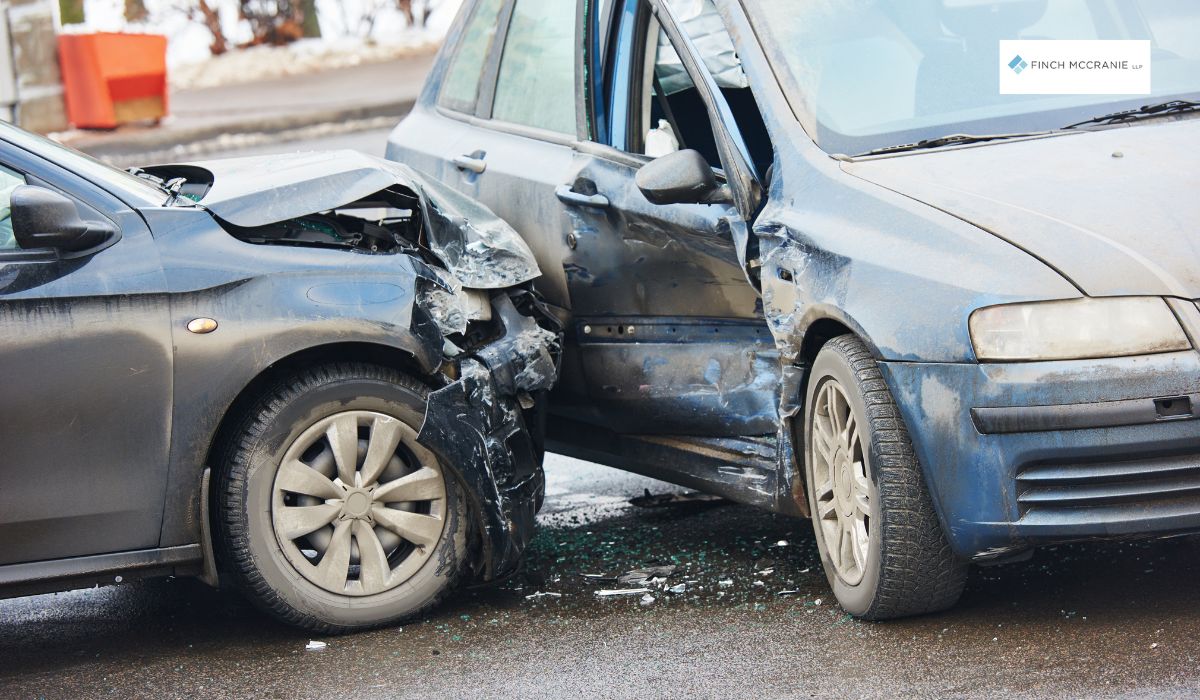
Minor Car Accident


Reasons to Consider Hiring a Lawyer

While not every minor car accident requires legal intervention, there are situations where hiring a lawyer can be beneficial:

  • Complexity: If the accident involves multiple parties, unclear liability, or disputes over damages, a lawyer can navigate the complexities of legal proceedings.
  • Insurance Issues: Dealing with insurance companies can be challenging, especially if they offer a settlement that doesn’t fully cover your damages. A lawyer can negotiate on your behalf to ensure you receive fair compensation.
  • Legal Expertise: Lawyers specializing in personal injury law have the expertise to assess your case, gather evidence, and present a strong claim if needed.
  • Medical Expenses: If you’ve incurred medical expenses due to the accident, a lawyer can help pursue compensation for these costs.

Steps to Take After a Minor Car Accident

Whether or not you decide to hire a lawyer, here are essential steps to take after a minor car accident:

  1. Safety First: Ensure everyone is safe and seek medical attention if necessary.
  2. Document the Accident: Take photos of the accident scene, exchange information with the other driver(s), and gather witness contact details.
  3. Report to Authorities: Depending on local laws, you may need to report the accident to law enforcement.
  4. Notify Your Insurance Company: Report the accident to your insurance company promptly.
  5. Seek Legal Advice: If you need clarification on your legal rights or the extent of your damages, consult with a lawyer for guidance.

Potential Legal Issues

Even in minor accidents, several legal issues can arise that might warrant professional legal assistance:

  • Liability Disputes: Determining who is at fault can sometimes be contentious, especially if both parties have conflicting accounts of the accident. A lawyer can help gather evidence, such as witness statements and accident reconstruction reports, to establish liability.
  • Insurance Settlements: Insurance companies may offer settlements quickly after a minor accident. However, these initial offers may only sometimes cover the full extent of your damages, including vehicle repairs, medical bills, and lost wages. A lawyer can review settlement offers and negotiate on your behalf to ensure you receive fair compensation.
  • Legal Procedures: Navigating the legal system can be daunting, particularly if you’re unfamiliar with the process. A lawyer can handle paperwork, deadlines, and court filings, relieving you of administrative burdens while ensuring your legal rights are protected.

Potential Benefits of Legal Representation

While hiring a lawyer is not mandatory after a minor car accident, there are several potential benefits to consider:

  • Legal Expertise: Lawyers specializing in personal injury law understand the nuances of state laws, insurance policies, and legal precedents relevant to your case. Their expertise can significantly strengthen your position when negotiating with insurance companies or presenting your case in court.
  • Maximizing Compensation: A lawyer can assess the full extent of your damages, including non-economic losses like pain and suffering, and pursue maximum compensation on your behalf. They can also advise on whether accepting a settlement offer is in your best interest or if further legal action is advisable.
  • Peace of Mind: Dealing with the aftermath of a car accident can be stressful, particularly if you’re recovering from injuries or facing financial strain due to property damage. Having a lawyer manage legal proceedings allows you to focus on recovery and personal matters without added stress.

When Legal Representation May Not Be Necessary

On the other hand, there are instances where legal representation may not be required after a minor car accident:

  • Clear Liability: If liability is clear and both parties agree on the facts of the accident, you may be able to handle insurance claims and settlements directly with the other driver’s insurance company.
  • Minor Damages: If the accident resulted in minimal damage to vehicles and no significant injuries, you may be able to resolve the matter through insurance claims without legal intervention.
  • Legal Costs: Consider the potential costs associated with hiring a lawyer. In some cases, legal fees may outweigh the benefits of pursuing additional compensation, especially if damages are relatively minor.

Conclusion

Deciding whether to hire a lawyer after a minor car accident hinges on various factors, including the extent of damages, liability disputes, and insurance complexities. 

While legal representation can offer significant advantages in navigating these issues and maximizing compensation, it may only sometimes be necessary for straightforward cases with clear liability and minimal damages.

Ultimately, whether you choose to seek legal assistance or handle the aftermath independently, understanding your rights and responsibilities is crucial. 

If you’re uncertain about your situation or facing challenges in recovering damages, consulting with a knowledgeable attorney can provide clarity and peace of mind.

For personalized guidance and legal support tailored to your specific case, contact us at Finch McCranie LLP. 

Our experienced team is here to help you navigate the complexities of personal injury law and ensure your rights are protected throughout the process.

FAQs

Should I Hire A Lawyer After A Minor Car Accident?

Car accidents, even minor ones, can be unsettling and leave you wondering about your legal rights and responsibilities. Here are some common questions answered to help you make an informed decision:

What constitutes a minor car accident?

Typically, a minor car accident involves minimal damage to vehicles and no severe injuries, such as fender benders, parking lot collisions, or low-speed rear-end accidents.

What factors should I consider after a minor car accident?

After a minor car accident, assess the extent of vehicle damage, any injuries sustained, your insurance coverage, fault and liability issues, and any legal deadlines for filing claims.

When should I consider hiring a lawyer?

Consider hiring a lawyer if the accident involves complexities like multiple parties, unclear liability, disputes over damages, or significant medical expenses. A lawyer can also assist in negotiating fair insurance settlements.

What steps should I take after a minor car accident?

Ensure safety first, document the accident scene, report to authorities if necessary, notify your insurance company promptly, and seek legal advice if unsure about your rights or damages.

Are there potential legal issues in minor car accidents?

Yes, issues such as liability disputes, inadequate insurance settlements, and navigating legal procedures can arise, making legal assistance beneficial in ensuring your rights are protected.

What are the benefits of hiring a lawyer?

Legal expertise, maximizing compensation, and peace of mind are potential benefits. A lawyer can navigate legal complexities, assess damages comprehensively, and handle negotiations or legal proceedings on your behalf.

When might legal representation not be necessary?

Legal representation may not be necessary if liability is clear, damages are minimal, and insurance claims can be resolved without disputes or significant legal costs.

Should I consider legal costs when deciding to hire a lawyer?

Yes, weigh potential legal fees against the benefits of pursuing additional compensation, especially if damages are minor.


How Long Does a Truck Accident Claim Take?

Being involved in a truck accident can be a traumatic experience, often followed by the complex process of seeking compensation for damages incurred. 

Understanding how long a truck accident claim takes can provide clarity and manage expectations during this challenging time.

Initial Steps After a Truck Accident

The duration of a truck accident claim can vary significantly based on several factors, starting from the moment the accident occurs:

  • Immediate Response:(more…)

5 Common Causes of Truck Accidents in Georgia

Truck accidents are a significant concern in Georgia, where the convergence of bustling highways, economic hubs, and extensive freight networks creates a high-risk environment for large vehicles.

Understanding the common causes of these accidents is essential for both prevention and response. 

Here, we explore five predominant factors contributing to truck accidents in Georgia.

Driver Fatigue

Overview: Driver fatigue is a leading cause of truck accidents. Long hours on the road, tight delivery
(more…)

10 Top Questions to Ask Your Product Liability Lawyer Before Hiring

When dealing with a product liability case, selecting the right lawyer is crucial to the success of your claim. 

This type of legal case can be complex, involving intricate details of product design, manufacturing processes, and consumer safety standards. 

Therefore, it’s essential to have an experienced and knowledgeable lawyer by your side. Here are ten top questions to ask your potential product liability lawyer before making your hiring decision.

What is Your
(more…)

Common Types of Product Liability Claims and How to Pursue Them

Product liability refers to the legal responsibility of manufacturers, distributors, suppliers, and retailers for injuries or damages caused by their products. 

When a product is defective or dangerous, consumers have the right to seek compensation through product liability claims. 

Understanding the types of claims and the legal process involved can empower consumers to protect their rights effectively.

Types of Product Liability Claims

Defective Design

A design defect occurs
(more…)

Comprehensive Guide to Navigating Product Liability Lawsuits Successfully

Product liability lawsuits represent a critical intersection of consumer protection and corporate responsibility in the marketplace. 

These legal proceedings arise when individuals are harmed or incur damages due to defective products, holding manufacturers, distributors, and retailers accountable for ensuring product safety. 

Navigating these complex legal waters requires a thorough understanding of product liability law, strategic planning, and meticulous execution. 

This comprehensive guide aims to provide a detailed overview of product
(more…)

Secret Link